


Why Your Professional Image Starts With a Great Headshot
Bad headshots can cost you opportunities before you even get a chance to speak. When first impressions happen in milliseconds, your headshot often serves as the initial handshake with potential employers, clients, and professional connections.
What makes a headshot bad?
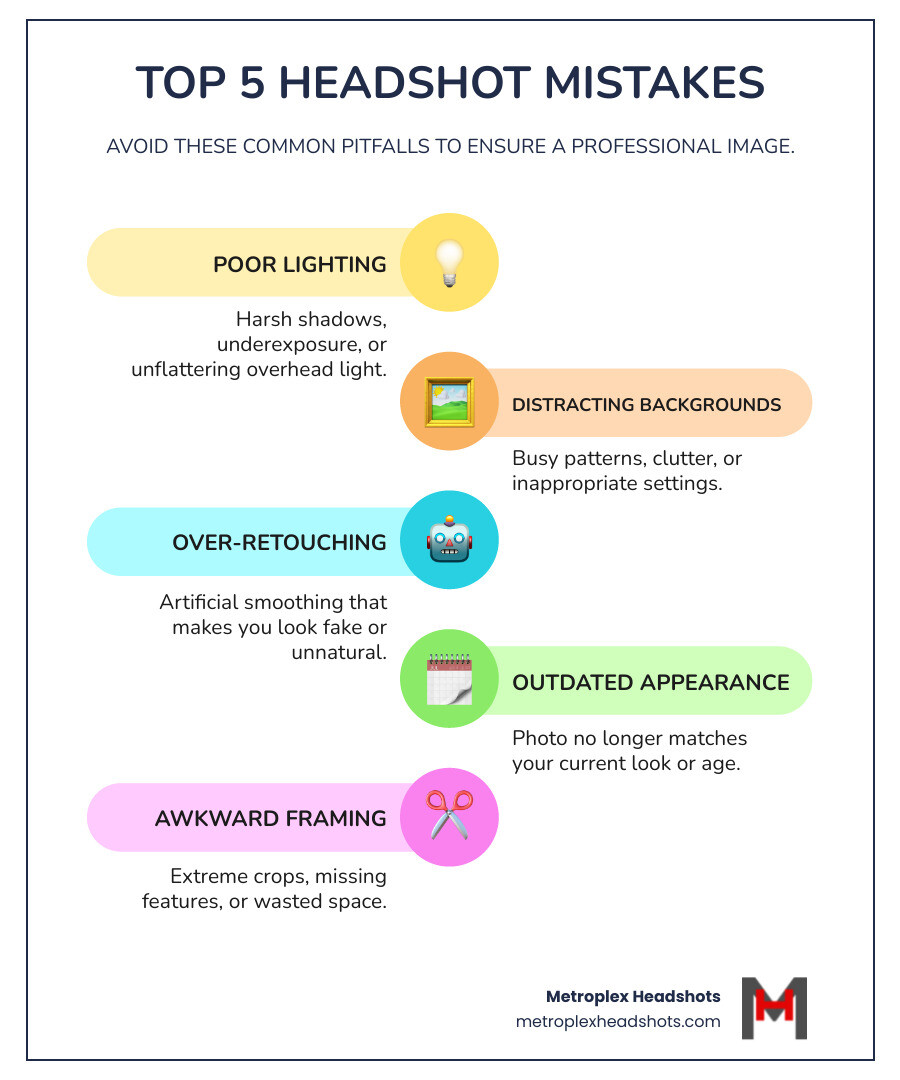
- Poor lighting – harsh shadows, underexposure, or unflattering overhead light
- Distracting backgrounds – busy patterns, clutter, or inappropriate settings
- Outdated appearance – looking significantly different than you do today
- Over-retouching – artificial skin smoothing that makes you look fake
- Awkward framing – extreme crops, missing features, or wasted space
- Forced expressions – fake smiles or uncomfortable poses
- Low resolution – blurry, pixelated, or unprofessional quality
- Inappropriate attire – distracting patterns, logos, or poor fit
People make snap judgments about your competence, trustworthiness, and professionalism within seconds of seeing your photo. If your headshot looks cheap or poorly rendered, casting directors and hiring managers may assume you’re not serious enough to invest in your career. Even if no one can explain what’s wrong with your headshot, they sense it—and that gut reaction influences whether they click, reply, or move on.
The stakes are high. Actors lose auditions when they don’t look like their headshots. Executives miss networking opportunities when their profile photo screams amateur. Professionals across industries watch opportunities slip away because their visual first impression didn’t match their actual expertise.
This isn’t just about vanity. Your headshot is a marketing tool that represents your personal brand and professional identity. Getting it right means understanding what separates a great headshot from one that quietly undermines your credibility.
As Traci Schowmeyer, owner of Metroplex Headshots, I’ve photographed thousands of professionals since 1999 and have seen how bad headshots can hold talented people back from achieving their career goals. Through my work with everyone from new hires to Fortune 100 C-Suite teams, I’ve identified the most common mistakes that create ineffective headshots—and more importantly, how to avoid them.
The Anatomy of Bad Headshots: 10 Common Mistakes to Avoid
When we talk about bad headshots, we’re not always referring to a blurry, pixelated image (though those certainly qualify!). Often, the issues are more subtle, yet equally detrimental. A headshot can be technically “fine” but still miss the mark, sending the wrong message about you and your professionalism. Let’s break down the common pitfalls we see.
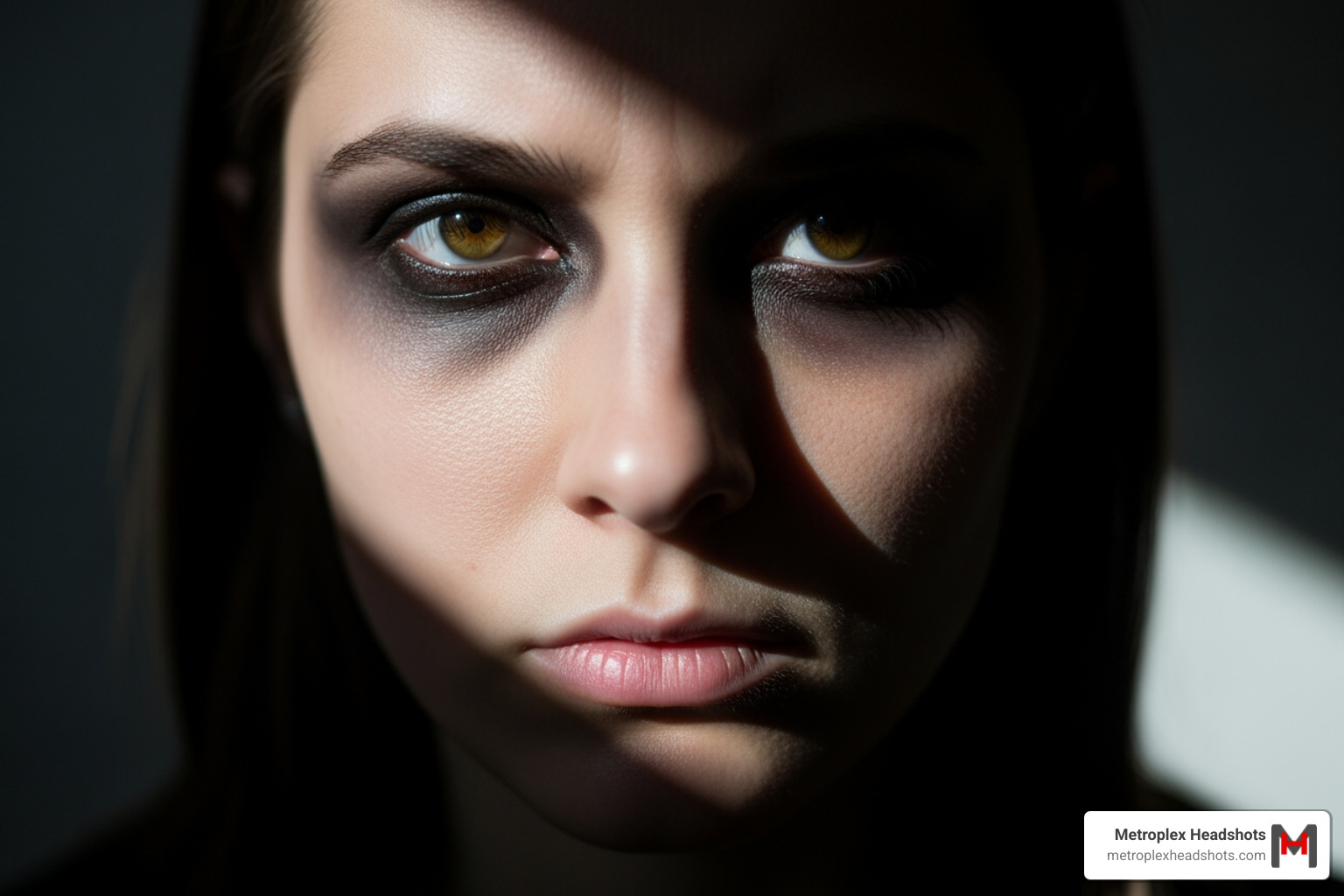
One of the most immediate giveaways of a bad headshot is poor lighting. Harsh shadows, especially under the eyes or across the face, can make you look tired, unapproachable, or even menacing. Conversely, overexposure can wash out your features, making you blend into the background. We often see headshots where the lighting was clearly an afterthought, leading to an unprofessional vibe. As experts in professional headshot photography, we understand that quality studio lighting or expertly mixed natural lighting is crucial. If you’re curious about how proper illumination can transform your image, explore our Good lighting tips for headshots.
Distracting backgrounds are another common culprit. A busy pattern, a cluttered office, or an inappropriate setting (like a beach or a party scene, which we’ve regrettably seen on professional profiles) pulls attention away from you—the subject. Your background should complement you, not compete with you. Similarly, awkward framing, where your head is cut off, an ear is missing, or there’s too much “wasted space” around you, can make your headshot ineffective, especially on small screens.
Unnatural posing and forced expressions are also red flags. We’ve all seen those stiff, uncomfortable poses or fake smiles that scream, “I’m trying too hard!” A genuine, relaxed expression with engaged eyes is far more impactful than a contorted attempt at looking “professional.” Inappropriate attire, such as busy patterns, logos, or overly casual clothing, can undermine your credibility and brand. Your clothing should improve your professional image, not detract from it. For more insights on making a powerful first impression, read about The Power of First Impressions: How a Great Headshot Can Make a Difference.
Technical Flaws That Create Bad Headshots
Beyond the obvious, some technical flaws can instantly relegate a headshot to the “bad” pile. Low resolution images that appear pixelated or blurry instantly convey a lack of attention to detail and professionalism. High-resolution images are non-negotiable for a crisp, clear presentation across all platforms.
Harsh shadows and overexposure, as mentioned, are lighting nightmares. They obscure your features and create an unflattering look. Unflattering angles, often the result of amateur photography or selfies, can distort your face, making you look wider, older, or simply not like yourself.
Extreme cropping is a surprisingly common issue, particularly in the age of online profiles. We’ve seen countless headshots where foreheads are chopped off, ears are missing, or chins are abruptly cut. This isn’t stylish; it’s distracting. As Bonnie Gillespie, a renowned acting coach, points out, actors often submit headshots with “no foreheads whatsoever” or “losing an ear here, a chin there, an eyebrow or two.” This kind of cropping makes your face less recognizable and can even make you look like an “amputee.”
Similarly, “wasted space” can be an issue. While a tight crop is often preferred for online thumbnails, too much empty space around your head can make your face appear tiny, especially when viewed on a phone. The goal is to fill the frame effectively, ensuring your face is the undeniable focal point.
Styling Choices That Lead to Bad Headshots
The choices you make about your appearance in a headshot can significantly impact its effectiveness. Busy patterns or prominent logos on your clothing are a major distraction. They pull the viewer’s eye away from your face and can make the image look cluttered. Outdated fashion also dates your headshot, signaling that you might be behind the times in your professional approach. Your attire should be timeless and appropriate for your industry.
Heavy makeup can also lead to a bad headshot. While a professional makeup artist can improve your features subtly, too much makeup can make you look artificial, or worse, like you’re trying to hide something. The camera exaggerates everything, so what looks good in the mirror might appear overdone on film.
Fake smiles are easily detectable. Casting directors, for instance, can tell when a smile is not genuine, and they often interpret this as a sign of poor acting or inauthenticity. We aim for genuine expressions that convey approachability and confidence. Distracting props, unless highly relevant to your brand and used sparingly, should also be avoided. A stethoscope might be okay for a doctor if it’s integrated naturally, but a toolbelt for an actor playing a blue-collar type is often “a bit much and very limiting.” We want the focus to be on you, not your accessories. For a deeper dive into how professional headshots differ across various business roles, explore How Headshots Differ for Corporate Executives and Business Professionals.
How a Bad Headshot Misrepresents You and Kills Opportunities
A bad headshot does more than just look unflattering; it actively works against your professional goals. It’s a missed opportunity to make a positive first impression and can inadvertently misrepresent you, leading to lost chances in your career.

When your headshot is subpar, it communicates unprofessionalism and a lack of seriousness about your career. If you’re not willing to invest in a quality image for yourself, why would a potential employer or client believe you’ll invest in them? People make snap judgments based on appearance in just seconds, and a poor headshot can influence whether they click, reply, or move on without a second thought. This isn’t just anecdotal; scientific research confirms that these initial impressions heavily influence our perceptions of competence and trustworthiness. For more on this, consider the insights on Scientific research on first impressions.
Furthermore, a bad headshot can misrepresent your brand, creating unrealistic expectations that harm your credibility. If your headshot looks cheap or poorly rendered, a casting director or hiring manager may assume that you are not serious enough to invest in your career. We’ve heard casting directors consistently say that the number-one piece of advice for actors is, “LOOK LIKE YOUR HEADSHOTS!” This highlights a critical issue: authenticity. If the person who walks into the room looks significantly different from their headshot, trust is immediately eroded. This is why authentic, true-to-life headshots are paramount. Learn more about Why Authentic Headshots Matter.
The Danger of Over-Retouching
In an effort to present a “perfect” image, some individuals fall into the trap of over-retouching. While mild retouching to remove blemishes or stray hairs is acceptable and can help you present your best self, excessive manipulation is detrimental. Over-retouching leads to losing authenticity, giving your image an “uncanny valley” effect where it looks almost human, but not quite real.
This can create unrealistic expectations, as the heavily retouched version of you doesn’t match the person who shows up in real life. It breaks trust and can even make you seem deceptive. We believe that subtle signs of age are signs of experience, not flaws, and should not be airbrushed away to the point of unrecognizability. Your headshot should represent you on your best day, not an idealized version that no longer looks like you.
When Your Headshot Doesn’t Match Your Professional Image
The consequences of a headshot that doesn’t align with your current professional image can be severe. It can confuse employers or clients, making it difficult for them to visualize you in a specific role or context. For actors, this means if your actor headshots don’t capture your “type” or align with the roles you’re targeting, you’re limiting your opportunities. A generic, vague “I can play anything” headshot is less likely to get you noticed than one that clearly communicates your specific strengths. For instance, if you’re aiming for corporate leadership roles, a headshot that appears too casual or artistic will send mixed signals.
A headshot with generic expressions or a lack of specificity fails to convey personality or brand. It makes you forgettable. We work with clients to ensure their headshots align with their career goals, whether that’s projecting authority for a C-suite position in Dallas, approachability for a real estate agent in Southlake, or creativity for a marketing professional in Plano. Your headshot should be a strategic tool, not just a pretty picture. It should tell a story about who you are professionally and the value you bring. Find how to effectively capture your unique professional persona by exploring our How to Capture Your Unique Professional Type in Headshots.
The Hallmarks of a ‘Good’ Headshot That Gets You Noticed
So, what makes a headshot truly stand out and work for you? It boils down to a blend of technical excellence and authentic representation. A good headshot isn’t just about looking nice; it’s about looking effective.
At Metroplex Headshots, we believe a great headshot embodies several key qualities:
- Authenticity: It genuinely looks like you, on your best day, without heavy retouching or an overly stylized appearance.
- Confidence: Your expression conveys self-assurance and capability.
- Approachability: You look friendly and easy to work with, inviting connection.
- Professionalism: Every element, from lighting to attire, signals a high standard.
- Clear Branding: It subtly communicates your professional identity and the roles you’re best suited for.
These elements combine to create a powerful visual message that resonates with your target audience, whether they are hiring managers in Fort Worth, casting directors in Dallas, or potential clients in Grapevine. We understand that crafting this image is crucial for your success. To learn more about how we can help define and project your professional image, visit Crafting Your Professional Image: The Importance of Headshots in the DFW Metroplex.
Here are 5 Key Elements of a Great Headshot:
- Genuine Expression: Your eyes are engaged, and your smile (if any) is natural.
- Flattering Lighting: Soft, even light illuminates your face without harsh shadows.
- Clean Background: A simple, non-distracting background keeps the focus on you.
- Appropriate Attire: Your clothing is professional, well-fitting, and complements your brand.
- Expert Framing: The shot is cropped effectively, typically chest-up, with your face prominent.
Mastering the Technicals: Lighting, Framing, and Background
The technical aspects of a headshot form its foundation. Without them, even the most genuine smile can fall flat.
Lighting: Soft, flattering light is paramount. We use professional lighting techniques to ensure your face is evenly lit, enhancing your features without creating harsh shadows or unflattering glare. Good lighting makes your eyes sparkle and your skin look vibrant, contributing significantly to that approachable and confident look.
Framing: A well-framed headshot typically follows the “rule of thirds,” placing your eyes in the upper third of the image. A chest-up crop is generally ideal, allowing enough context without introducing distractions. The sharp focus should always be on your eyes, as they are the windows to your personality and convey emotion.
Background: A clean, non-distracting background is essential. It should be simple, possibly blurred, and complement your attire and skin tone without drawing attention away from you. This ensures that the viewer’s focus remains squarely on your face and expression. For specific guidance on how to ensure your background improves rather than detracts, explore our Tips for Avoiding Distracting Backgrounds.
Capturing Your Essence: Expression and Attire
Once the technical foundation is solid, we focus on capturing your unique essence.
Expression: A genuine expression is key. We guide our clients to relax and let their natural personality shine through. Whether it’s a warm, natural smile or a thoughtful, confident look, the goal is to convey authenticity. Our approach helps you achieve confident eyes that engage the viewer, making you memorable. We understand that not everyone is comfortable in front of the camera, which is why our expertise in making clients feel at ease is so valuable.
Attire: Your wardrobe is a crucial part of your professional branding. We recommend solid colors that complement your skin tone and brand. Avoid busy patterns, logos, or anything that might distract. The clothing should be well-fitting, comfortable, and reflect the level of professionalism appropriate for your industry. For executives in Plano, this might mean a custom suit; for a creative professional in Frisco, it could be smart business casual. The goal is for your attire to improve your presence, not overshadow it.
When and Why to Update Your Headshot
Even the best headshot has a shelf life. An outdated headshot is a bad headshot because it misrepresents you, undermining the very purpose of having one. Regular updates are a non-negotiable part of maintaining a strong professional image.
The most obvious sign it’s time for an update is an outdated appearance. If your hair color, style, or facial hair has significantly changed, or if there’s a noticeable age difference, your headshot no longer accurately represents you. We’ve heard countless stories from casting directors about actors showing up to auditions looking 10 years older than their headshot, which immediately creates a disconnect. This isn’t just an actor problem; it applies to all professionals. If your photo from five years ago shows you with a full beard that you no longer have, or a hairstyle you abandoned years ago, it’s time for a refresh.
Major career changes or new branding goals also necessitate an updated headshot. If you’ve shifted industries, landed a significant promotion, or simply want to project a different professional image, your headshot should reflect that evolution. A headshot for a recent graduate will differ significantly from one for a seasoned CEO. Your headshot should align with where you are now, and where you’re going. To ensure your professional image is always aligned with your aspirations, consider our insights on Level Up Your Professional Image: Setting Headshot Goals.
The 2-Year Rule and Other Signs It’s Time for a Refresh
A good rule of thumb is the “2-year rule”: if your headshot is more than two years old, it’s likely time for an update. However, there are other clear signs:
- You no longer look like your photo: This is the most critical indicator. If you’ve gained or lost a significant amount of weight, changed your hair dramatically, or simply aged beyond what your current photo depicts, it’s time. Your headshot must be an accurate, current representation of you.
- Your professional goals have shifted: A headshot that served you well as a junior associate might not project the authority needed for a senior leadership role. Your image should evolve with your career.
- Your current headshot feels stale: If your headshot no longer excites you, or if you find yourself hesitating to use it, that’s a sign it’s lost its impact. A fresh perspective can re-energize your professional presence.
Your headshot is an investment in your career. Just as you update your resume or portfolio, your visual representation needs regular attention.
The Thumbnail Test: Why Clarity Matters Online
In today’s digital landscape, your headshot often appears as a small thumbnail on professional platforms like LinkedIn, company directories, and social media profiles. This means clarity and impact at a small size are paramount. A bad headshot can disappear or become indistinguishable when shrunk down.
The “thumbnail test” is simple: if your face isn’t clear and recognizable when viewed as a small icon on a phone, your headshot isn’t working hard enough for you. Excessive “wasted space,” extreme cropping that cuts off features, or a busy background can all make your face get lost in the digital shuffle.
We ensure our headshots are expertly cropped and optimized for online use, so your face is prominent and impactful, even in a small format. This is especially important for professionals in the DFW Metroplex, where online networking and digital presence are key to career advancement. We focus on ensuring your image stands out and communicates clearly, making it easy for recruiters, clients, and colleagues to identify and connect with you.
Conclusion
We’ve explored bad headshots and uncovered the common mistakes that can quietly undermine your professional image and career opportunities. From technical flaws like poor lighting and extreme cropping to styling choices like distracting attire and over-retouching, the pitfalls are numerous. We’ve seen how these missteps can misrepresent you, erode trust, and ultimately lead to missed connections and lost opportunities.
Your headshot is far more than just a picture; it’s a powerful marketing tool. It’s your digital handshake, your visual resume, and often, the first impression you make. Investing in a professional headshot is an investment in your career, signaling your seriousness, professionalism, and attention to detail.
At Metroplex Headshots, we understand the nuances of crafting an exceptional professional image. Located conveniently across the DFW Metroplex, including Southlake, Westlake, Trophy Club, Grapevine, Dallas, Plano, Frisco, Colleyville, Hurst, Bedford, Fort Worth, Lewisville, Coppell, Irving, McKinney, and Roanoke, we specialize exclusively in headshots. Our unique approach focuses on making you comfortable in front of the camera, ensuring we capture your confident, natural-looking self. With our efficient process, you can often select your perfect headshot on the very same day.
Don’t let a bad headshot hold you back any longer. It’s time to lift your professional image with a headshot that truly represents your expertise and aspirations. Take the next step towards a more impactful professional presence.
Elevate Your Professional Image with Metroplex Headshots today, and then View our packages to get started on capturing the best version of you.

