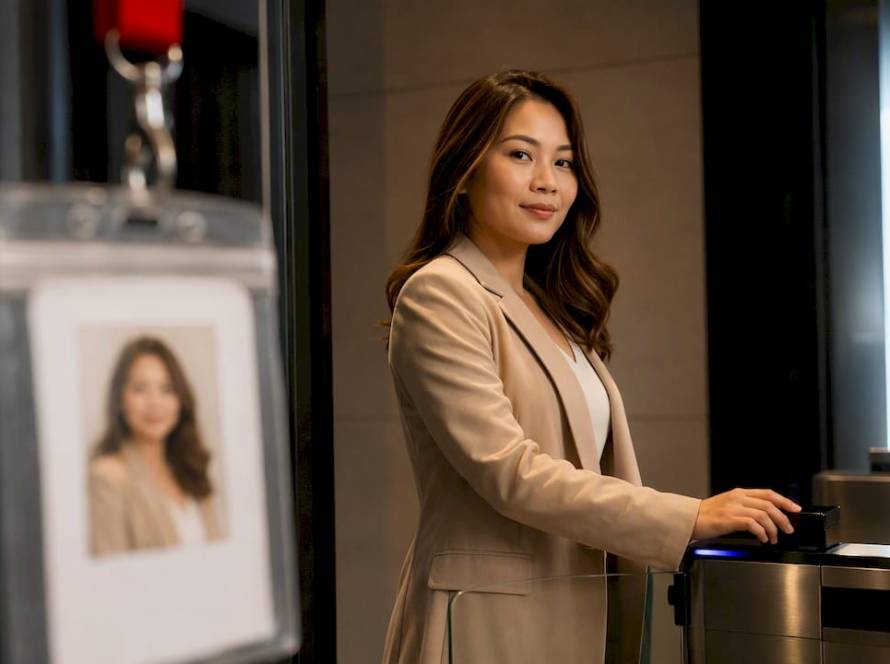
An executive photo for speaking engagements is a professionally captured image designed to project authority, trustworthiness, and approachability for speakers on the public stage. Unlike a standard corporate headshot, this image must perform across event programs, press kits, podcast features, and conference websites simultaneously. Your conference speaker photo is often the first impression an event organizer or audience member forms before you ever step on stage. Getting it right is not optional. It is the visual handshake that opens doors.
What makes an executive photo for speaking engagements different
A general business portrait tells people where you work. A professional speaker headshot tells people why they should listen to you. That distinction shapes every decision in the session, from the background you choose to the expression you hold. Event organizers receive dozens of speaker submissions. A high-quality executive image that communicates confidence and credibility separates you from the stack.
Photographers specialized in speaker headshots understand stage presence and brand alignment, which results in stronger images and fewer retakes. That expertise matters because a photographer who only shoots corporate portraits may default to stiff, formal poses that read as cold on a conference brochure. Speaking engagement photos require a specific balance: authoritative enough to command respect, warm enough to invite an audience in.
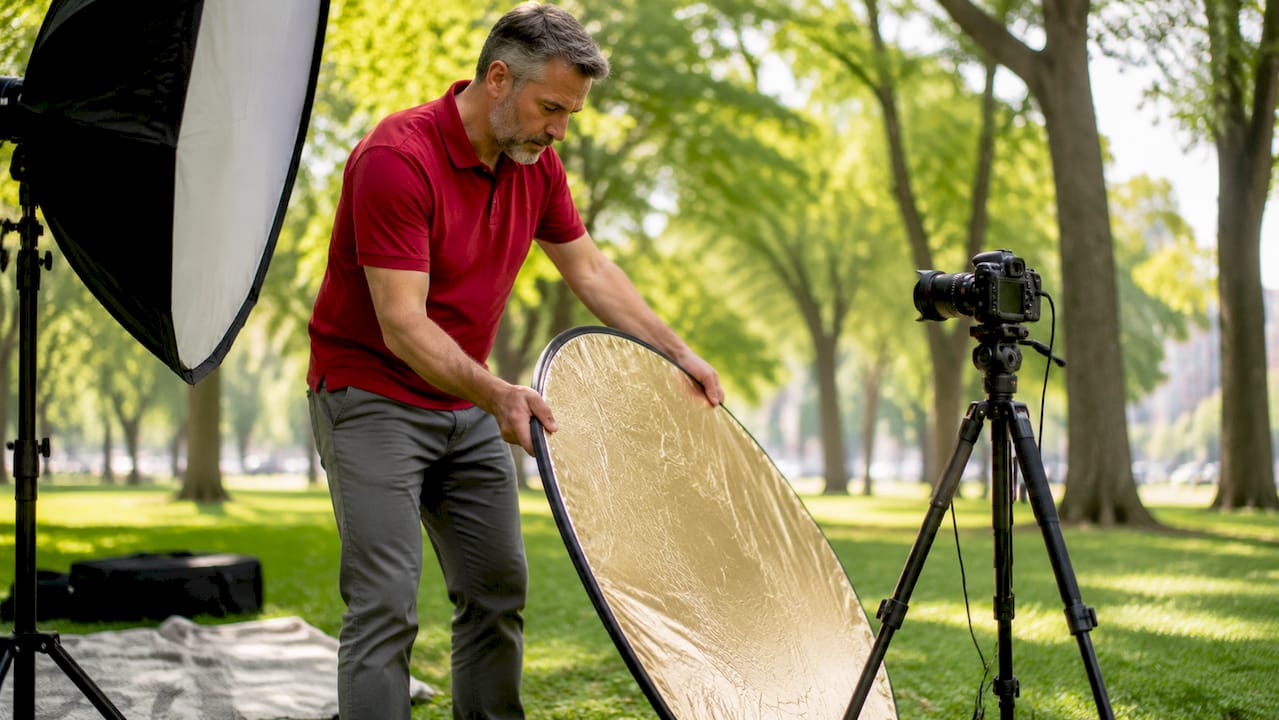
The industry term for this category is the speaker media photo, and it lives inside a broader media kit alongside your bio, credentials, and speaking topics. Understanding that context changes how you prepare for the session.
How to prepare for your speaking engagement photo session
Preparation is the secret sauce of professional branding. Showing up without a clear plan produces generic images. Showing up with one produces photos that work for years.
Choose the right photographer
Selecting a photographer experienced with executive and speaker work is the single highest-leverage decision you make before the session. Ask to see their speaker portfolio specifically. Look for images that feel alive, not posed. A photographer who understands brand alignment will ask about your speaking topics, your audience, and the tone of events you target before they pick up a camera.
Know your event’s branding requirements
Speaker media kits require high-resolution photos at 300 DPI in multiple formats for both print and digital use. Confirm those specs with your event organizer or speaker bureau before the session. Delivering the wrong file format after the fact wastes time and can cost you a placement in a printed program.
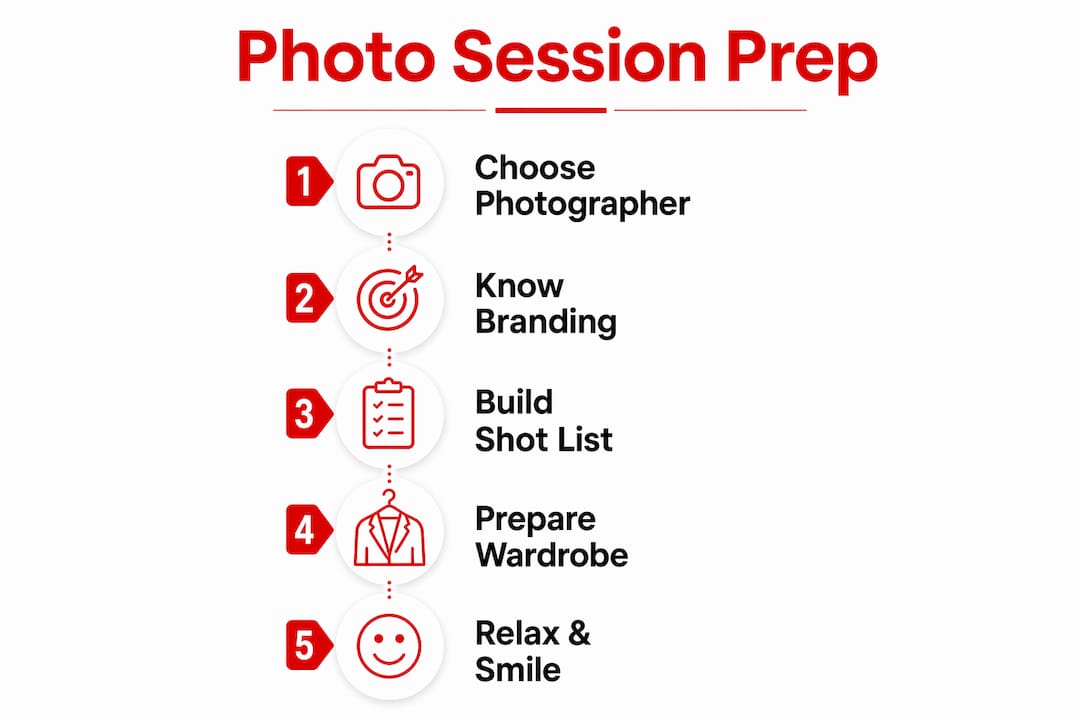
Build your shot list
Professional headshots should include at least two options: a formal portrait and a lifestyle image showing you in action or in a natural professional setting. Lifestyle photos help media tell engaging stories and add relatability beyond a straight-on portrait. Plan for both in your session.
Here is a preparation checklist to bring to every session:
- Wardrobe: Bring two to three outfit options. Avoid patterns on clothing; solid bold colors work best to keep focus on your face.
- Grooming: Schedule hair and makeup (if applicable) for the morning of the shoot, not the night before.
- Shot list: Confirm formal portrait, three-quarter body, and lifestyle options with your photographer in advance.
- Brand colors: Share your brand palette so the photographer can align backgrounds and lighting accordingly.
- File specs: Confirm required resolution, format (JPEG, PNG, TIFF), and licensing terms before the session ends.
| Preparation Item | Why It Matters |
|---|---|
| Photographer portfolio review | Confirms experience with speaker and executive work |
| Shot list with formal and lifestyle options | Covers all media kit and event program needs |
| Solid-color wardrobe | Keeps visual focus on your face and expression |
| 300 DPI file delivery | Meets print and digital media kit standards |
| Licensing terms confirmed | Prevents usage disputes with organizers or press |
Pro Tip: Bring a printed copy of your speaker bio to the session. Your photographer can use it to understand your brand voice and suggest poses or settings that match your topic area.
What photographic elements make a speaker portrait stand out
The difference between a forgettable business portrait for events and a commanding speaker image comes down to four elements: pose, lighting, background, and expression. Each one carries weight.
Posing for executive presence
Angling your body 30–45 degrees, pushing your chin slightly forward and down, dropping your shoulders, and leaning fractionally toward the camera creates an authoritative yet approachable image. These adjustments are subtle on camera but dramatic in the final photo. A straight-on, squared-up pose reads as confrontational. A slight angle reads as confident and open.
Lighting that flatters and commands
Rembrandt lighting and loop lighting are the two most common setups for executive portraits. Rembrandt creates a small triangle of light under one eye, adding depth and gravitas. Loop lighting is softer and more approachable, which suits speakers whose brand centers on coaching or community. Your photographer should recommend the setup based on your speaking niche, not personal preference.
Backgrounds that reinforce your brand
A plain gray or white backdrop is clean and versatile. An environmental background, such as a library, boardroom, or stage setting, adds context and personality. The right choice depends on your speaking topics. A technology executive benefits from a clean, modern backdrop. A leadership coach may benefit from a warmer, textured environment that signals approachability.
| Photo Style | Best For | Pros | Cons |
|---|---|---|---|
| Plain studio backdrop | All speaker types | Versatile, timeless, easy to reuse | Can feel generic without strong posing |
| Environmental/location | Coaches, authors, niche experts | Adds context and personality | Requires location scouting and coordination |
| Lifestyle/action shot | Keynote speakers, trainers | Shows energy and relatability | Harder to control lighting and composition |
| Three-quarter body | Conference programs, websites | Shows wardrobe and full presence | Requires more wardrobe preparation |
Pro Tip: Request both a tight headshot crop and a wider three-quarter body shot in the same session. Event organizers use different crops for different placements, and having both ready prevents last-minute reshoots.
How to use your speaker photo across media kits and platforms
A great image only works if you deploy it correctly. Professional executive photos can be leveraged in event brochures, websites, podcast features, and press articles to control brand presentation and accelerate speaking opportunities. Consistent use of approved images builds credibility with organizers and audiences alike.
Speaker profiles in media kits typically include photos, bios, credentials, and speaking topics in a single PDF for easy distribution. That format streamlines how organizers promote you. Your photo must be ready to drop into that document without resizing or quality loss.
Here is how to distribute your images effectively:
- LinkedIn: Upload your formal headshot as your profile photo and use the lifestyle image as your featured section banner.
- Speaker bureau profiles: Submit both formal and lifestyle images at full resolution with clear licensing terms attached.
- Event organizer packets: Include a folder with JPEG and PNG versions at 300 DPI, labeled with your name and the image type.
- Personal website: Use the formal portrait on your About page and the lifestyle image on your speaking page to show range.
- Podcast and press features: Keep a Dropbox or Google Drive folder with pre-approved images ready to share on request.
Photos should be refreshed when your brand, message, or speaking topics shift. Visual drift, where your photo no longer matches your current professional identity, quietly undermines your credibility. If you have changed your hair, lost or gained significant weight, or pivoted your speaking focus, a new session is not vanity. It is brand alignment.
Common mistakes to avoid in your speaker photo session
Even well-prepared executives make avoidable mistakes. Knowing them in advance keeps your session on track and your final images usable.
- Wearing patterned clothing. Busy prints, stripes, and logos pull the viewer’s eye away from your face. Solid, bold colors are the professional standard for speaker headshots and portraits.
- Ignoring lighting distractions. Overhead fluorescent lighting creates unflattering shadows under the eyes. Always confirm your photographer uses controlled studio or off-camera lighting, not ambient room light.
- Skipping the licensing conversation. Confirm in writing what usage rights you receive. Some photographers retain commercial rights, which can restrict how event organizers use your image in paid promotional materials.
- Accepting the first round without review. Review a selection of images on a laptop or large monitor during the session, not on the camera’s small screen. Colors, sharpness, and expression read very differently at full size.
- Using the same photo for five-plus years. Your executive headshot is a living part of your brand. Audiences and organizers notice when your photo looks like it belongs to a different decade.
Pro Tip: Ask your photographer to shoot a few frames where you are laughing or mid-conversation. These candid-style images often produce the most authentic expressions and work exceptionally well for social media and podcast thumbnails.
Key takeaways
A strong executive photo for speaking engagements requires deliberate preparation, skilled photography, and consistent deployment across every platform where your name appears.
| Point | Details |
|---|---|
| Hire a specialist photographer | Choose a photographer with a proven speaker and executive portfolio for targeted results. |
| Prepare a formal and lifestyle shot | Both image types are required to meet media kit and event program standards. |
| Follow 300 DPI file requirements | High-resolution delivery at 300 DPI covers print and digital media kit needs. |
| Refresh photos when your brand shifts | Visual drift undermines credibility; update your image when your message or look changes. |
| Confirm licensing before you leave | Written usage rights prevent disputes with organizers and press outlets. |
What i have learned after years behind the camera
I’m Traci Schowmeyer, and I want to share something most photographers won’t tell you.
The executives who get the most mileage from their speaker photos are not the ones who show up with the best wardrobe. They are the ones who show up knowing exactly who they are trying to reach. That clarity translates directly into the image. I can see it in the first few frames.
The biggest mistake I see from first-time speaking clients is treating the session like a chore to check off. They rush through it, accept the first decent shot, and wonder six months later why their photo is not opening doors. A business portrait for events is not a checkbox. It is a strategic asset.
My honest advice: invest in a pre-session consultation. Spend 20 minutes talking with your photographer about your speaking topics, your audience, and the events you want to book. That conversation changes the entire session. The poses feel more natural. The expressions are more genuine. The final images look like you, not a stock photo of a businessperson.
One more thing I have noticed over the years: speakers who update their photos regularly book more consistently. It is not a coincidence. When your image matches your current brand and energy, organizers trust that what they see is what they get on stage.
— Traci Schowmeyer
How metroplex headshots helps speakers show up powerfully
Your speaking career deserves a photo that works as hard as you do. Metroplex Headshots specializes in executive and speaker portraits that align with your brand, your audience, and the events you want to book. Every session is built around your professional identity, not a generic template.
Whether you are preparing your first media kit or refreshing an outdated image, Metroplex Headshots delivers professional headshot packages tailored to speakers and executives at every level. Not sure which photo type fits your needs? Explore the difference between headshots and portraits to find the right format for your speaking goals. Book a consultation and walk away with images that open doors.
FAQ
What is an executive photo for speaking engagements?
An executive photo for speaking engagements is a professionally captured portrait designed to project authority and approachability for use in media kits, event programs, and speaker profiles. It differs from a standard headshot by serving multiple formats and branding contexts simultaneously.
What resolution should a speaker headshot be?
Speaker media kits require photos at 300 DPI in multiple formats to meet both print and digital standards. Delivering lower-resolution files can disqualify your image from printed conference materials.
How often should i update my conference speaker photo?
Photos should be refreshed whenever your brand, message, or speaking topics shift significantly. A good rule of practice is to review your image every two years and update it any time your appearance or professional focus changes.
Should i include lifestyle photos in my speaker media kit?
Yes. Media kits benefit from at least two photo options: a formal portrait and a lifestyle image showing you in a natural professional setting. Lifestyle photos give journalists and organizers more storytelling options.
What clothing works best for a professional speaker headshot?
Solid bold colors on shirts or blouses work best for speaker photos because they keep the viewer’s focus on your face. Avoid patterns, logos, and busy prints that compete visually with your expression.