


An executive headshot for conference profiles is a professional portrait designed to present you as a confident, credible leader in high-visibility event contexts. Unlike a general corporate photo, this image appears on speaker bios, event programs, press kits, and LinkedIn profiles simultaneously. The stakes are higher because the audience is larger and more targeted. Tools like Adobe Lightroom and Photoshop are standard in post-production, and executive portrait photography has evolved into a specialized discipline that demands more than a smartphone and good lighting. Getting this right is the secret sauce of professional branding at the conference level.
What makes an executive headshot for conference profiles different?
A conference speaker profile image carries a specific job: it must communicate authority, approachability, and relevance within a single frame. General corporate photos are often taken in bulk for internal directories. Conference headshots are public-facing, frequently printed large, and placed next to your name and title in front of hundreds or thousands of attendees.
The difference between corporate and executive headshots comes down to intent. A corporate headshot says “I work here.” A conference headshot says “I lead here, and you should listen to me.” That distinction shapes every decision from wardrobe to background to expression.
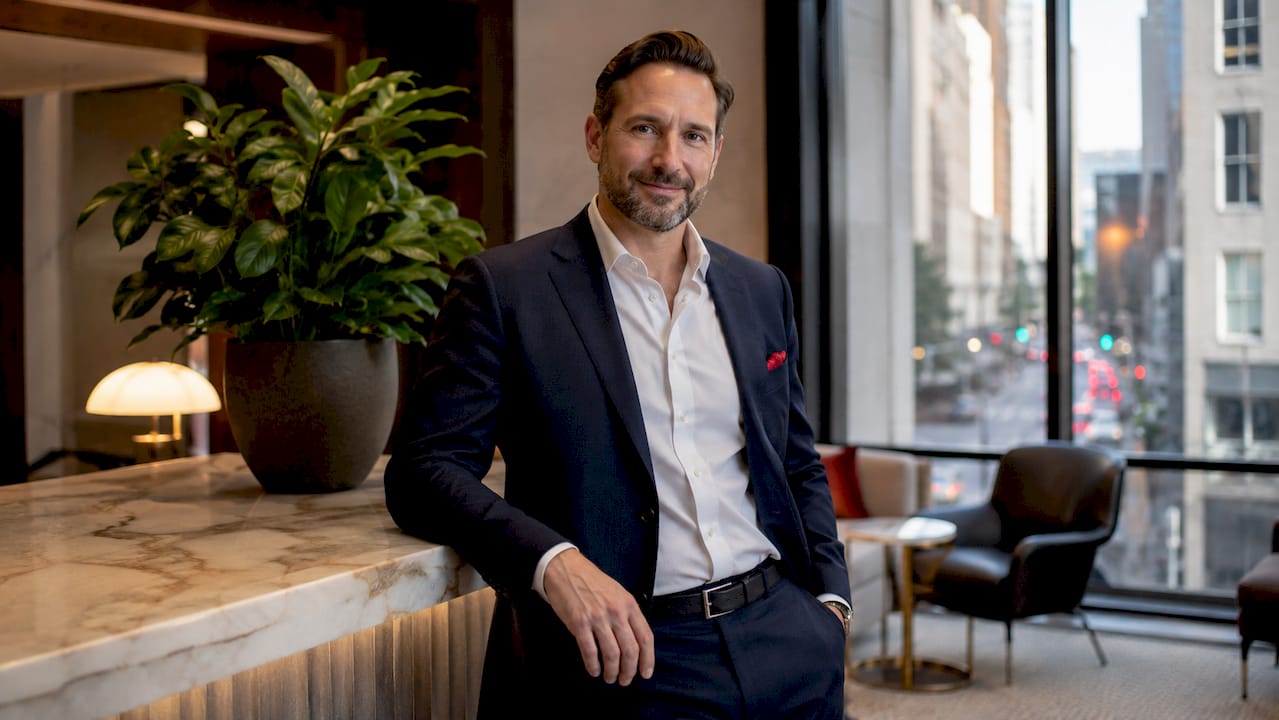
Conference organizers at events like SXSW, TEDx, and industry summits typically request images at 300 DPI for print and a web-optimized version for digital programs. Your image must hold up at both scales. That requirement alone eliminates most casual or outdated photos from consideration.
How do you choose the right photographer and session format?
Selecting the right photographer is the single most consequential decision in this process. Look for a photographer whose portfolio includes recognizable executives, speakers, or C-suite professionals. A strong portfolio shows consistent lighting control, natural expressions, and clean backgrounds — not just technically sharp images.
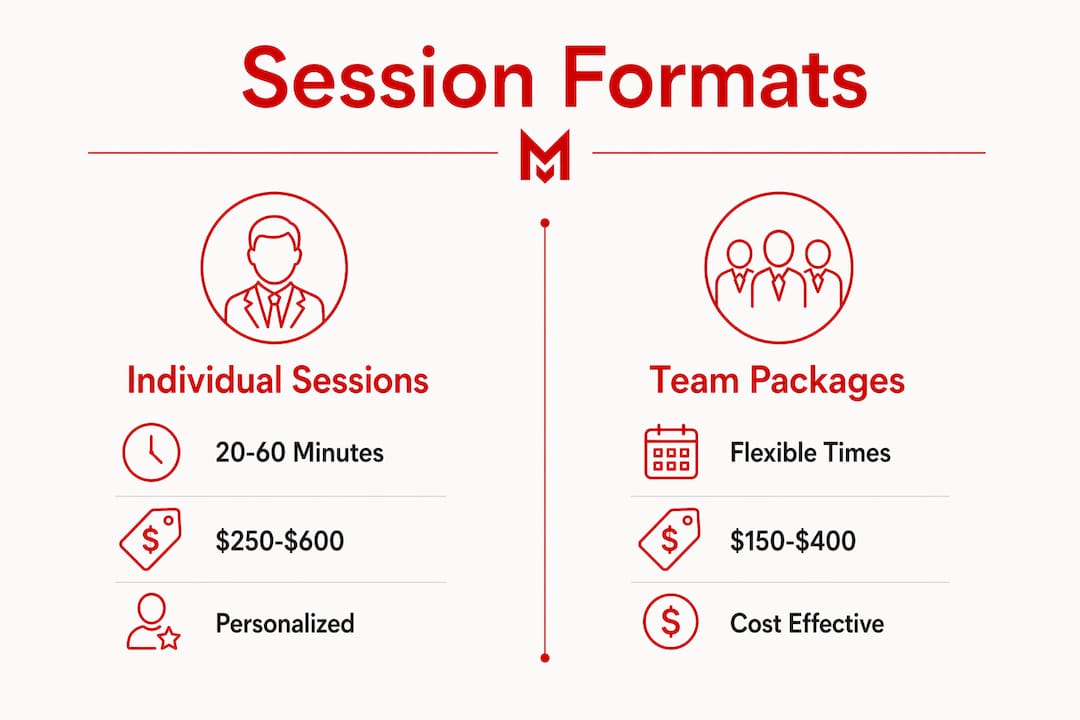
Individual executive sessions typically cost $250–$600 and run 20–60 minutes. That price range reflects the difference between a quick studio session and a full consultation with multiple looks. Team shoots drop the per-person cost to $150–$400, making them practical for organizations sending multiple speakers to the same event.
Before booking, request a consultation call. Ask the photographer how they direct clients who are uncomfortable in front of a camera. Their answer tells you whether they understand executive presence or just technical settings. Also ask about retouching and delivery timelines since conference deadlines are firm.
What to look for in a photographer’s portfolio
- Consistent, soft directional lighting that flatters skin tone without harsh shadows
- Natural expressions that read as confident, not stiff or forced
- Neutral backgrounds that work across LinkedIn, press kits, and event programs
- Evidence of Adobe Lightroom or Photoshop retouching that looks clean, not overdone
- Experience with both individual and team shoots
Pro Tip: Ask for two or three unretouched samples from a recent session. This shows you the photographer’s raw skill before post-production polish is applied.
How should you prepare your wardrobe and grooming?
Your wardrobe is the first thing viewers notice before they read your name. The wrong clothing choice can undermine an otherwise excellent photo. Avoid pure black and white in your outfit selection. Black loses detail under studio lights, and white can blow out entirely, creating a distracting halo effect. Mid-tone colors like navy, charcoal, and forest green photograph consistently well and project authority without competing with your face.
New clothes are a common mistake. Brand new garments do not sit correctly on the body because they have not been worn and shaped to your frame. Wear your chosen outfit at least twice before the session so it drapes naturally.
Grooming matters as much as clothing. For men, a fresh haircut two to three days before the session allows the cut to settle. For women, natural makeup that enhances rather than transforms works best for high-quality business portraits. Avoid heavy contouring or bold lip colors that read differently on camera than in person. Adobe Lightroom retouching can smooth minor skin imperfections, but it cannot fix a wardrobe choice that reads as casual or sloppy.
Posing techniques that project executive presence
Two posing techniques separate professional conference photos from stiff, forgettable images. The first is the “turtle” pose: push your forehead slightly forward and tip your chin down just a fraction. This defines the jawline and creates a leaner, more commanding profile without any digital editing.
The second technique involves angling one shoulder away from the camera while leaning slightly toward the lens. This creates energy and approachability, avoiding the flat, “police lineup” look that plagues so many conference bios. Your photographer should guide you through both, but knowing them in advance means you arrive confident rather than confused.
What happens during a professional executive headshot session?
A well-run session follows a predictable structure. Knowing the flow removes anxiety and lets you focus on expression rather than logistics.
- Arrival and consultation (5–10 minutes). You and the photographer discuss your goals, the platforms where the image will appear, and the tone you want to project. Bring two or three outfit options.
- Lighting and background setup (5–10 minutes). The photographer configures the studio for your session. Neutral backgrounds in gray, white, or beige are the most flexible choice for conference use because they adapt to any digital or print context.
- Guided posing (20–40 minutes). This is the core of the session. A skilled photographer provides real-time feedback on your posture, expression, and angle. You will shoot multiple looks and expressions.
- Image review (5 minutes). Many photographers show you a selection on a monitor before you leave so you can flag any obvious concerns.
- Post-production and delivery. Retouching in Adobe Lightroom or Photoshop typically takes three to seven business days. Confirm usage rights in writing before the session ends.
Session format comparison
| Session Type | Duration | Cost Per Person | Best For |
|---|---|---|---|
| Individual executive | 20–60 minutes | $250–$600 | Single speaker or executive |
| Team shoot | 1–3 hours | $150–$400 | Multiple speakers, brand consistency |
| Corporate subscription | Quarterly visits | $150–$250 | Ongoing new hire headshots |
The corporate subscription model is worth noting for organizations that send multiple speakers to conferences throughout the year. A photographer visits your office quarterly, and retouching is included. This keeps your team’s visual brand consistent without scheduling individual sessions each time.
How do you use and maintain your conference headshot over time?
A professional headshot is not a one-time asset. Headshots circulate for three to five years on average, and an outdated image creates visual drift between how you look today and how you appear in conference materials. Update your headshot if you change your hairstyle significantly, shift industries, or move into a more senior role.
For platform-specific use, follow these guidelines:
- LinkedIn: Use a square crop at 400 x 400 pixels minimum. LinkedIn compresses images, so upload the highest resolution file available.
- Conference bios: Most organizers request a 300 DPI JPEG or PNG at 1,000 pixels wide. Confirm specs with each event coordinator.
- Press kits: Provide both a color and a black-and-white version. Some publications print in grayscale.
- Email signatures: Resize to 100 x 100 pixels to avoid slowing load times.
Brand alignment across platforms is the goal. If your LinkedIn photo shows you in a navy blazer and your conference bio shows you in a casual shirt from three years ago, that inconsistency signals a lack of attention to detail. Coordinate team headshots for consistent backgrounds and styling if multiple colleagues appear in the same event program.
Pro Tip: Save your original high-resolution file from every session. Conference organizers often request different crops or sizes months after your initial submission.
Signs your current headshot is overdue for a refresh include a visible age gap between the photo and your current appearance, a background or clothing style that reads as dated, or a resolution too low for modern print requirements.
The detail most speakers overlook
I’m Traci Schowmeyer, and after working with executives across industries on their professional portraits, the pattern I see most often is this: speakers invest heavily in their presentation decks and almost nothing in the image that precedes them.
Your conference headshot appears before you ever walk on stage. It sits in the event program, on the conference app, and in every pre-event email the organizer sends. Attendees form an opinion about you before you say a word. That is not vanity. That is reality.
The posing nuances matter more than most people expect. I have seen confident executives look uncertain in photos simply because they squared their shoulders directly at the camera. One small adjustment, angling the body slightly and leaning forward, transforms the entire read of the image. Leadership is communicated through body language even in a still frame.
Wardrobe choices also vary by industry in ways that are worth thinking through. A forest green blazer reads as approachable and credible in healthcare or education. The same blazer in a financial services context might read as too casual. Know your audience before you choose your outfit, just as you would tailor your keynote to the room.
The professionals I see get the most mileage from their headshots are the ones who treat the session as a strategic investment rather than an administrative task. They prepare, they communicate with their photographer, and they show up ready to work. The result is an image that functions as a genuine digital handshake, one that opens doors before you ever extend your hand.
— Traci Schowmeyer
Get a conference-ready headshot from metroplex headshots
Your conference profile deserves a portrait that reflects the leader you are. Metroplex Headshots specializes in executive and corporate headshot sessions designed to project authority, approachability, and brand alignment from the first glance.
Whether you need a single executive session or coordinated team headshots for your next event, Metroplex Headshots delivers retouched, high-resolution images built for LinkedIn, press kits, and conference programs. Browse headshot examples for 2026 to see the quality and range of styles available, then schedule your consultation to discuss your session goals, timeline, and the look that best represents your professional brand.
Key takeaways
A conference-ready executive headshot requires the right photographer, deliberate preparation, and consistent use across every platform where your name appears.
| Point | Details |
|---|---|
| Choose a specialist photographer | Review portfolios for executive experience, lighting control, and retouching quality before booking. |
| Wear mid-tone, pre-worn clothing | Navy, charcoal, and forest green photograph well; avoid new garments that do not sit naturally. |
| Use the turtle pose | Push your forehead forward and tip your chin down to define your jawline without digital edits. |
| Update every 3–5 years | Outdated headshots create visual drift and can undermine your credibility at high-profile events. |
| Standardize across platforms | Match background, style, and resolution specs for LinkedIn, conference bios, and press materials. |
FAQ
What is an executive headshot for conference profiles?
An executive headshot for conference profiles is a professional portrait created specifically for high-visibility event contexts like speaker bios, event programs, and press kits. It differs from a standard corporate photo by prioritizing leadership presence and adaptability across print and digital formats.
How much does a professional executive headshot session cost in 2026?
Individual sessions typically cost $250–$600 and run 20–60 minutes. Team shoots reduce the per-person cost to $150–$400, making them practical for organizations with multiple conference speakers.
What background color works best for conference headshots?
Neutral backgrounds in gray, white, or beige are the most flexible and timeless choice. They adapt to LinkedIn, conference programs, and press materials without looking dated or context-specific.
How often should i update my executive headshot?
Update your headshot every 3–5 years, or sooner if you change your hairstyle significantly, shift to a more senior role, or move into a different industry. An outdated photo creates a visible gap between your current appearance and your public image.
What clothing should i avoid in a professional headshot?
Avoid pure black and pure white clothing. Black loses detail under studio lights, and white can blow out and create distraction. Mid-tone colors like navy, charcoal, and forest green consistently produce the strongest results.

