

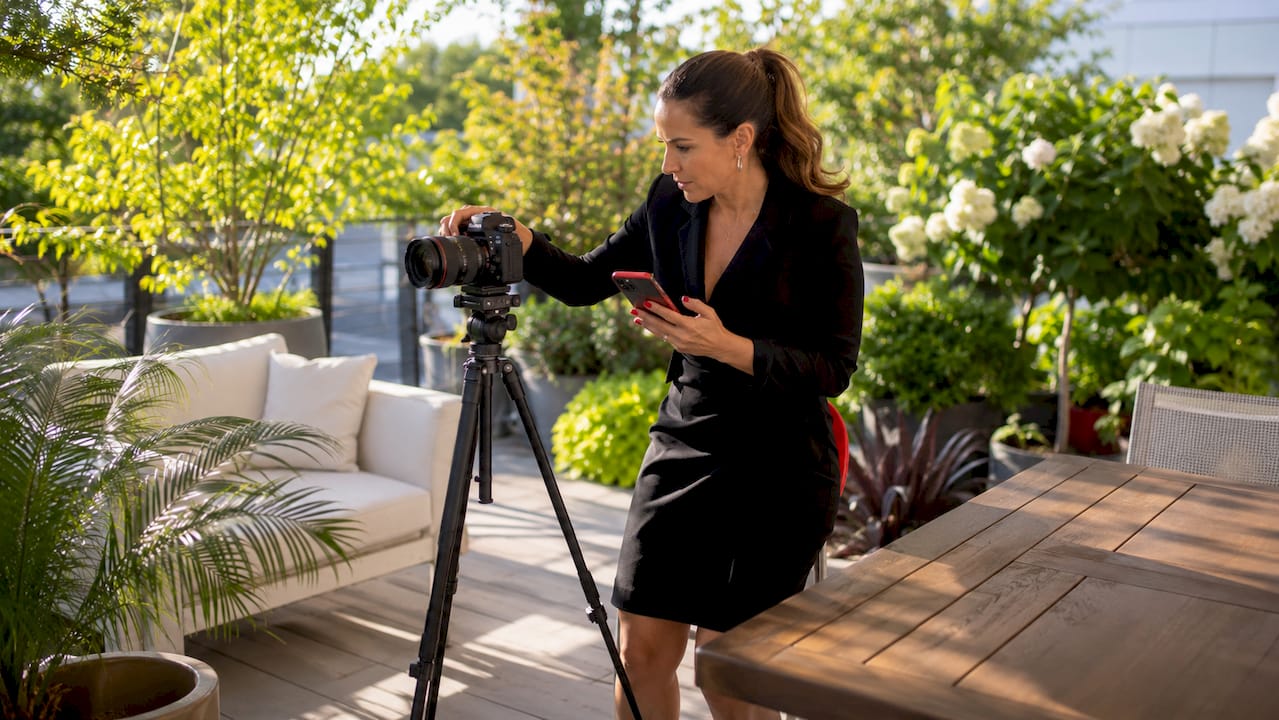
Cohesive corporate photography is defined as a unified visual system where lighting, wardrobe, color palette, background, and editing style align consistently across every image a company produces. When done right, examples of cohesive corporate photography show clients and prospects exactly who you are before a single word is read. Brands like Tarlton Corporation, working with 24Frames, Inc., demonstrate how brand-aligned portraits connect imagery across websites, proposals, and social media into one seamless identity. This article breaks down eight distinct cohesive photography styles so you can find the approach that fits your brand.
What makes corporate photography truly cohesive?
Cohesive corporate photography depends on five visual pillars working together. Miss one, and the entire set loses its professional authority.
- Consistent lighting setup. Every subject should be lit from the same angle and with the same intensity. Mixed lighting creates visual noise that makes a team page look assembled rather than planned.
- Unified backgrounds. Whether you choose a neutral gray, a branded color, or an office environment, every image in the set needs the same backdrop. Consistent lighting and background across all employee headshots produces a polished, professional team appearance.
- Coordinated wardrobe. Clothing color and style directly affect how unified a photo set looks. Wardrobe guidelines that simplify the color palette reduce visual noise and increase group photo cohesion.
- Matching edit style. Skin tone treatment, contrast levels, and color grading must be identical across every image. One over-edited photo in a set of ten breaks the visual contract with the viewer.
- Uniform composition and posing. Framing, crop height, and subject angle should follow a defined template so every portrait feels like it belongs to the same family.
Pro Tip: Create a one-page photography brief before your shoot. List your brand colors, approved wardrobe tones, background choice, and preferred crop. Share it with every employee scheduled for a session.
8 examples of cohesive corporate photography styles

Cohesive photography styles span a wide range, from classic and minimal to bold and environmental. Each style below reflects a distinct brand personality and communication goal.
1. traditional classic headshots
The traditional classic style uses a neutral gray, white, or black background with controlled studio lighting. Every subject is framed from the chest up, with a direct gaze and a composed expression. Law firms, financial institutions, and healthcare groups favor this approach because it signals authority and reliability. The lack of environmental distraction keeps the focus entirely on the individual, which reinforces executive presence.
2. modern environmental portraits
Environmental portraits place subjects inside their actual workspace, whether that is a conference room, a branded lobby, or a production floor. The office setting becomes part of the story. Cohesion is maintained through consistent editing tones and a defined depth-of-field style that keeps backgrounds soft and recognizable without being distracting. Tech companies and architecture firms use this style to show culture and context simultaneously. Office design and photography together shape how clients perceive your brand, making the environment a deliberate branding tool.
3. lifestyle corporate headshots
Lifestyle headshots capture subjects in natural, candid-feeling moments rather than posed studio shots. A subject might be photographed at a desk, in conversation, or walking through a space. Lifestyle headshots with natural expressions use brand-complementary tones to preserve visual identity while humanizing the brand. Cohesion comes from consistent editing, wardrobe coordination, and a defined color temperature applied across every image in the set.
4. group composites with uniform styling
Group composites are one of the most technically demanding cohesive styles. Photographers shoot each team member individually under identical lighting and background conditions, then combine the images into a single group photo. Group composites maintain individual photo quality while unifying the team image through consistent lighting and styles. This approach works well for organizations with remote teams or executives on different schedules who cannot gather for a single shoot.
5. branded color scheme portraits
Branded portraits go beyond neutral backgrounds. They incorporate the company’s actual color palette into the backdrop, props, or wardrobe accents. Branded color scheme backgrounds tie portraits directly to corporate identity, making images feel distinctly owned by the brand. A company with a navy and gold identity, for example, might use a deep navy backdrop with subjects in tailored navy or white attire. The result is a photo set that looks like it was designed by the same hand that built the website.
6. creative team photos with staged or candid moments
Creative team photography moves away from individual portraits entirely. It captures the team in action, whether staged around a table, collaborating on a project, or gathered at a company event. The secret sauce of this style is pre-production planning. Wardrobe coordination, a defined color story, and consistent editing are what separate a polished creative team photo from a casual group snapshot. Startups and creative agencies use this style to signal energy and collaboration without sacrificing professionalism.
7. minimalist monochrome portraits
Minimalist monochrome portraits strip everything back to form, light, and expression. Black-and-white or single-tone processing removes color as a variable entirely, which forces absolute consistency in lighting and composition. This style works particularly well for executive teams where gravitas and focus are the primary messages. The editing discipline required is high. Any inconsistency in skin tone rendering or contrast becomes immediately visible without color to soften it.
8. bold and colorful culture portraits
Bold, colorful portraits reflect a dynamic company culture and are common in consumer-facing brands, media companies, and design firms. Bright, saturated backgrounds in brand colors, expressive poses, and high-energy lighting create images that feel alive. Cohesion in this style depends entirely on a strict color system. Every background shade, every wardrobe choice, and every editing decision must reference the same brand color guide. Without that discipline, bold portraits become chaotic rather than confident.
Pro Tip: Build a comparison board of your top two or three preferred styles before briefing a photographer. Seeing them side by side against your brand colors reveals which style creates the strongest visual alignment.
| Style | Best For | Cohesion Driver |
|---|---|---|
| Traditional Classic | Law, finance, healthcare | Neutral background, uniform lighting |
| Modern Environmental | Tech, architecture, consulting | Consistent edit tone, soft depth of field |
| Lifestyle | Professional services, coaching | Wardrobe coordination, color temperature |
| Group Composite | Remote or distributed teams | Identical lighting and background per subject |
| Branded Color Scheme | Any brand with strong color identity | Background and wardrobe tied to brand palette |
| Creative Team | Startups, agencies | Pre-production planning, unified color story |
| Minimalist Monochrome | Executive teams, legal | Lighting precision, consistent contrast |
| Bold and Colorful | Consumer brands, media, design | Strict brand color system across all elements |
How to choose the right style for your business
Selecting the right cohesive photography style starts with an honest assessment of your brand personality. Ask yourself whether your brand communicates formal authority, approachable expertise, or creative energy. The answer narrows your options quickly.
- Define your brand voice first. A financial advisory firm and a creative agency both need cohesive imagery, but they need completely different styles. Formal brands align with classic or minimalist approaches. Approachable brands benefit from lifestyle or environmental styles.
- Consider your industry standards. Some industries carry visual expectations. Healthcare and legal audiences expect restraint. Consumer and tech audiences expect energy. Matching those expectations builds immediate trust.
- Map your marketing channels. LinkedIn favors clean, professional headshots. Instagram rewards lifestyle and culture imagery. Your website needs a style that works at both large hero sizes and small thumbnail crops. Choose a style that performs across all channels you actively use.
- Plan for consistency over time. Annual or bi-annual photo sessions keep imagery consistent and fresh for marketing. Build photography refresh cycles into your brand calendar so visual drift does not creep in as your team grows.
- Budget for the full system. A cohesive set requires pre-production planning, a skilled photographer, and post-production editing to a defined standard. Cutting corners on any one of those three stages undermines the entire investment.
Pro Tip: Ask your photographer to deliver a style guide document alongside your final images. It should specify the exact lighting setup, background color code, crop dimensions, and edit parameters so future sessions can match the original set precisely.
Common mistakes that break visual cohesion
Even well-intentioned corporate photo projects fall apart at execution. These are the pitfalls that most often undermine brand professionalism.
- Inconsistent backgrounds across sessions. A team page with three different background shades signals disorganization. Mixing photographic styles and inconsistent editing undermine brand professionalism and create visual dissonance.
- Ignoring wardrobe guidelines. Allowing employees to choose freely without a color brief produces a team page that looks like a random collection of individuals rather than a unified group.
- Over-editing individual images. Heavy retouching on one portrait makes it stand out from the rest of the set for the wrong reasons. Editing should be invisible and consistent.
- Skipping the composite planning process. Group composites require precise technical matching. Shooting subjects at different times without documenting the lighting setup makes seamless compositing nearly impossible.
- Failing to update imagery. Coordinated corporate photography increases employee pride and strengthens team cohesion, but only when it reflects the current team. Outdated photos with departed employees or old branding erode trust faster than no photos at all.
Key takeaways
Cohesive corporate photography requires a defined visual system applied consistently across every image, from lighting and wardrobe to editing and composition.
| Point | Details |
|---|---|
| Define your visual system first | Establish lighting, background, wardrobe, and edit standards before any session begins. |
| Match style to brand personality | Classic styles suit formal industries; lifestyle and environmental styles suit approachable brands. |
| Plan group composites carefully | Document lighting setups precisely so individually shot subjects combine seamlessly. |
| Refresh imagery on a schedule | Annual or bi-annual sessions prevent visual drift as your team and brand evolve. |
| Avoid wardrobe and editing inconsistency | Uncoordinated clothing and uneven retouching are the two fastest ways to break visual cohesion. |
Why cohesive photography is the most underrated brand asset
I’m Traci Schowmeyer, and after years of working with businesses on their professional imagery, the pattern I see most often is this: companies invest heavily in their website design and brand guidelines, then treat photography as an afterthought. The result is a beautiful brand system undermined by mismatched headshots that look like they were pulled from five different decades.
What I’ve found is that cohesive imagery does something no logo or color palette can do on its own. It makes your team feel real to a prospective client. When every portrait on your team page shares the same light, the same tone, and the same energy, it signals that your organization pays attention to detail. That signal transfers directly to how clients expect you to handle their work.
The brands that get this right treat photography as a system, not a one-time event. They document their setup, brief their teams, and schedule regular updates. That discipline is the actual secret sauce of professional branding, and it is far more accessible than most businesses realize.
— Traci Schowmeyer
Build your cohesive visual identity with metroplex headshots
Your brand deserves imagery that works as hard as you do. Metroplex Headshots specializes in creating business portrait photography that aligns with your brand colors, wardrobe standards, and visual goals from the first frame to the final delivered file.

Whether you need individual executive portraits, a full team headshot project, or creative group photos, Metroplex Headshots builds every session around your brand identity. Explore headshot style examples to find the look that fits your company, or browse the professional headshots vs. portraits guide to understand which format serves your marketing goals best. Contact Metroplex Headshots today to schedule a consultation and start building a photo system your brand can rely on.
FAQ
What is cohesive corporate photography?
Cohesive corporate photography is a unified visual system where every image in a set shares the same lighting, background, wardrobe standards, and editing style. The goal is a consistent brand identity across all company platforms and materials.
How many styles of corporate photography exist?
Corporate photography styles include classic, modern environmental, lifestyle, group composite, branded color scheme, creative team, minimalist monochrome, and bold colorful approaches. Each style reflects a different brand personality and communication goal.
How often should corporate photos be updated?
Annual or bi-annual photo sessions keep imagery consistent and fresh for marketing use. Regular updates prevent visual drift as teams grow and brand strategies evolve.
What is the biggest mistake in corporate photography?
Inconsistent backgrounds and uncoordinated wardrobe choices are the most common mistakes. Both create visual dissonance that signals disorganization to clients and prospects.
Does wardrobe really affect photo cohesion?
Wardrobe is one of the strongest cohesion drivers in any corporate photo set. Neutral or brand-coordinated clothing removes visual noise and makes a group of individuals look like a unified team.

