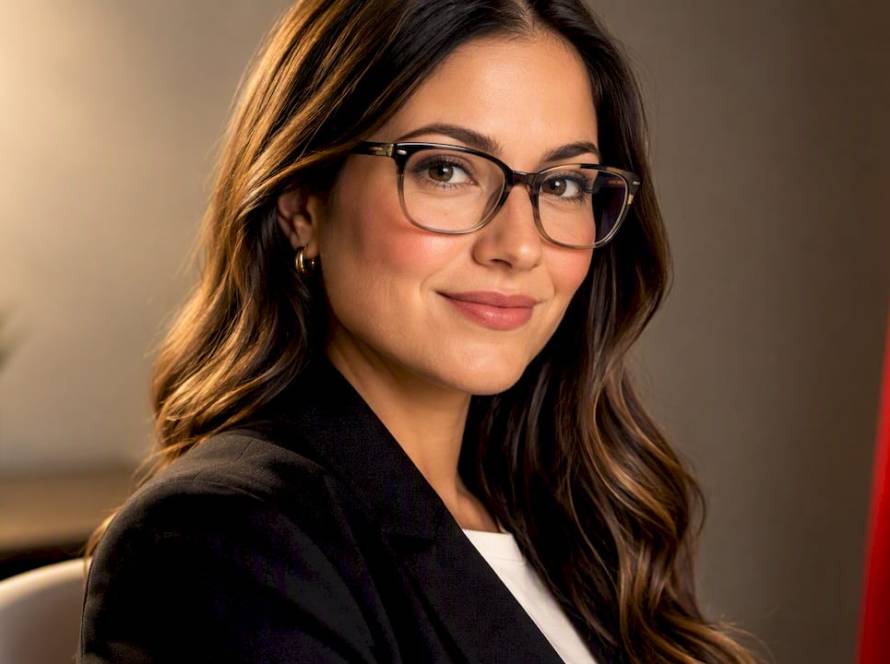
Your outfit is the first thing viewers process in a professional photo, and social psychology research confirms that attire shapes first impressions within seconds. This is why outfit matters in a professional photo far beyond aesthetics. Clothing functions as nonverbal communication, signaling your competence, confidence, and brand alignment before you say a word. The concept of enclothed cognition, introduced by researchers Hajo Adam and Adam Galinsky, shows that clothing affects both how others read you and how you carry yourself. Metroplex Headshots treats every wardrobe decision as a deliberate part of your professional portrait strategy.
How does your outfit influence perception in professional photos?
Clothing is the fastest-processed layer of visual identity in any photograph. Viewers form judgments about competence, warmth, and trustworthiness within moments of seeing your image. That speed makes your clothing choices for headshots one of the highest-leverage decisions in your personal branding toolkit.
Enclothed cognition is the term researchers use to describe the two-way relationship between clothing and mindset. When your outfit aligns with your professional aspirations, you feel more confident and relaxed. That ease shows up directly in your facial expression and body language during a photo session. A stiff, ill-fitting suit produces a stiff, uncomfortable portrait.
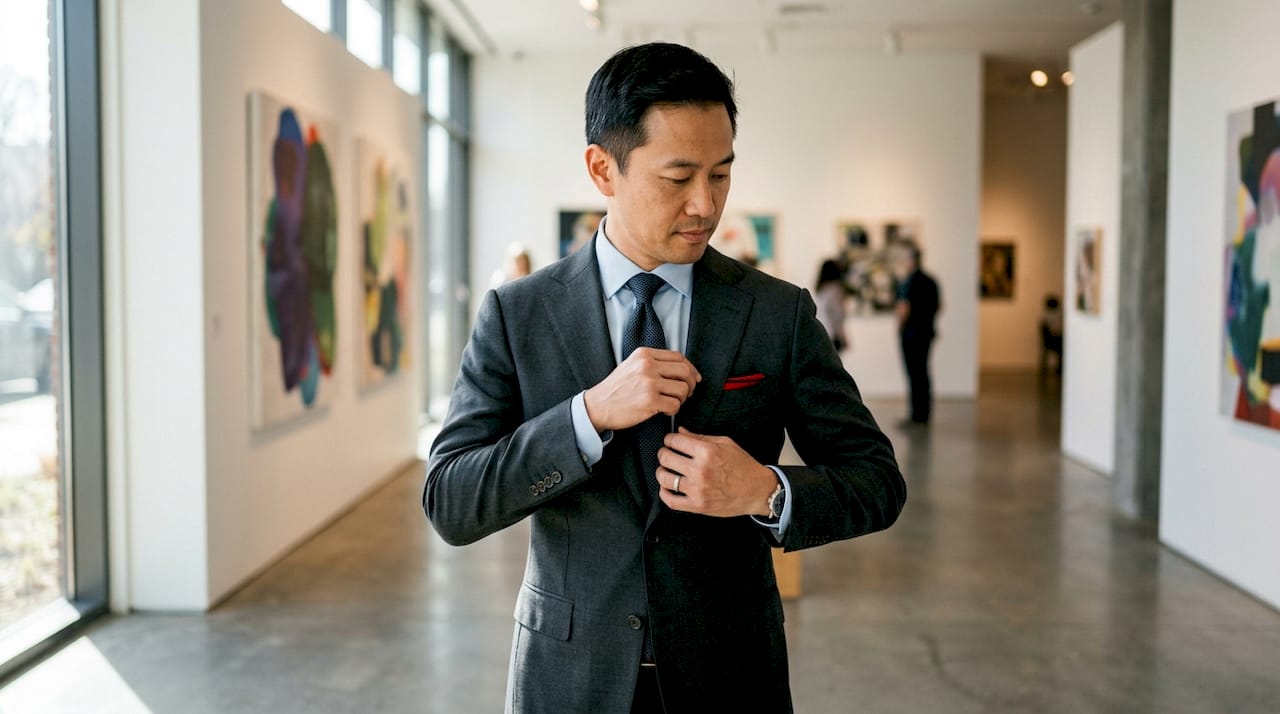
Research on physician attire illustrates this clearly. Formal attire elevates perceived warmth and competence compared to casual clothing, even when the person’s credentials are identical. The same principle applies to any professional portrait. A well-chosen outfit does not just dress you up. It tells the viewer what kind of professional you are before they read a single word of your bio.
The specific signals your clothing sends depend on three factors:
- Fit: Clothing that fits your body reads as intentional and polished. Oversized or baggy pieces create visual noise that distracts from your face.
- Color: Neutral tones like navy, charcoal, and white project stability. Bold colors like deep red or cobalt signal confidence and creativity when used deliberately.
- Style: A tailored blazer communicates executive presence. A clean, fitted crew-neck sweater communicates approachability. Neither is wrong. Both are choices.
Pro Tip: Bring a trusted colleague or friend to your outfit selection process. An outside eye catches fit issues and color clashes you may have stopped noticing.
What role does outfit consistency play in your professional image?
Consistency in how you dress across professional contexts builds recognition and trust over time. A 2026 Dongguk University study found that CEOs who maintained a consistent fashion style were perceived as more competent by stakeholders than those whose style varied. The finding applies directly to any professional building a personal brand through photos.
Visual drift is what happens when your headshot on LinkedIn looks nothing like the photo on your company website, which looks nothing like your conference speaker photo. Each inconsistency chips away at the coherent identity you are trying to build. Consistent style creates a visual signature that people recognize and associate with reliability.
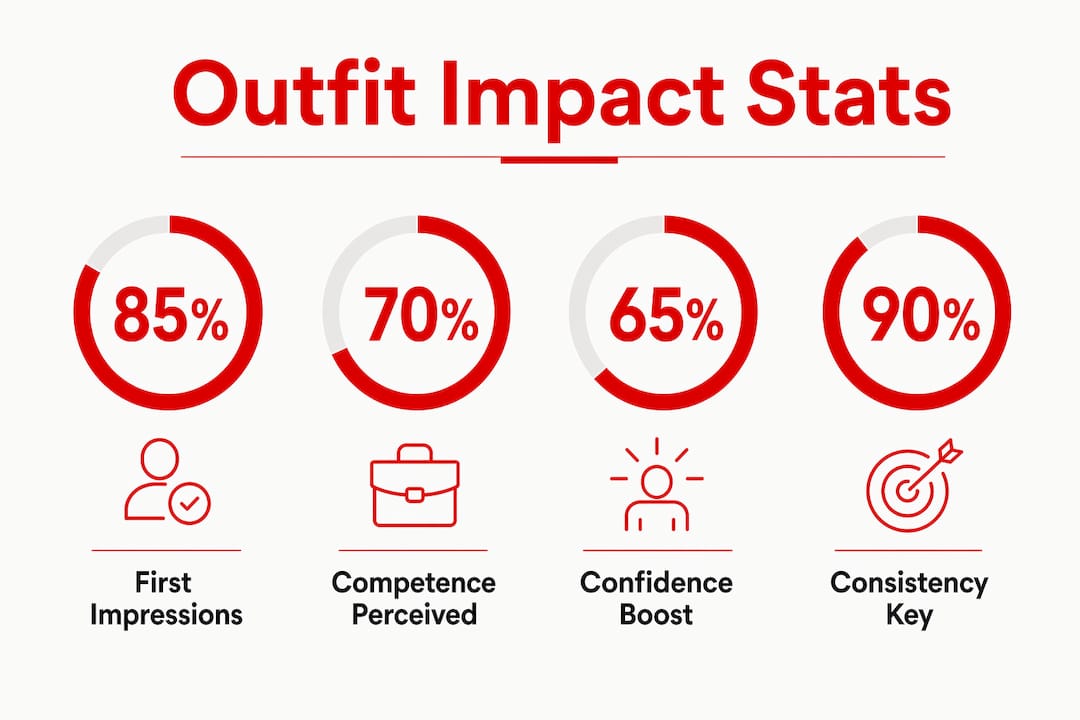
Context still matters, though. Adapting your attire to your professional environment is not the same as being inconsistent. A corporate attorney and a creative director operate in different visual cultures. The goal is to dress in a way that feels authentic to your field while maintaining a consistent personal style thread across occasions.
| Professional context | Recommended attire approach |
|---|---|
| Corporate finance or law | Tailored suit, neutral palette, minimal accessories |
| Creative industries | Structured separates, one intentional color or pattern |
| Healthcare or education | Business casual with clean lines, approachable colors |
| Entrepreneurship or consulting | Polished smart casual, brand-aligned color choices |
Pairing your visual identity with a strong website branding strategy amplifies the consistency effect. When your headshot, your website palette, and your social media presence all speak the same visual language, clients and prospects remember you faster.
How to select outfits that enhance your professional photo
Outfit selection for a professional photo session is a skill, not guesswork. The decisions you make before you walk into the studio determine 80% of the final result. Here is what the research and professional photography practice consistently recommend.
Fit is non-negotiable. Slightly snug clothing photographs better than loose clothing, which adds unwanted visual bulk. You do not need to be uncomfortable. You need clothing that follows your body’s shape without pulling or bunching.
Color choices carry meaning. Neutral tones are reliable for most professional contexts, but bold colors can convey creativity and confidence when they align with your brand. Avoid colors that clash with your skin tone or that vibrate against the background. Avoid white near a white background and avoid black near a dark background.
Patterns require caution. Busy patterns create visual noise in headshots and pull the viewer’s eye away from your face. Thin stripes and small prints can also produce a moiré effect on camera, creating a distracting shimmer. Solid colors or subtle textures are the safest and most effective choices.
Additional outfit selection principles worth following:
- Choose clothing that expresses your professional values, not just what looks trendy.
- Limit accessories to one or two pieces that add polish without competing for attention.
- Bring two or three outfit options to your session and let the photographer weigh in.
- Steam or press everything the night before. Wrinkles read as carelessness on camera.
- Wear the outfit for 30 minutes before the session to check for comfort and fit issues.
Pro Tip: Avoid wearing a brand-new outfit to your photo session. Clothes you have worn before feel more natural on your body, and that ease translates directly into more relaxed, authentic photos.
For a deeper look at what to wear for headshots, Metroplex Headshots covers the most common wardrobe mistakes professionals make and how to avoid them.
How do outfit choices affect your confidence in professional photos?
Clothing aligned with your identity produces a measurable shift in how you feel during a photo session. Neuroscience and textile research confirm that sensory qualities like fit, softness, and weight directly affect emotional well-being. When you feel physically comfortable and visually aligned with who you are, your face relaxes and your expressions become genuine.
The risk of dressing purely for external approval is that the disconnect shows. When you wear what you think you “should” wear rather than what feels authentically yours, the result is often a portrait that looks posed rather than present. Viewers pick up on that tension, even if they cannot name it.
Finding your “comfortable power look” is the practical goal. Here is how to build one:
- Identify your professional archetype. Are you the trusted advisor, the bold innovator, or the collaborative leader? Your archetype should guide your color and style choices.
- Test your outfit in natural light. Stand in front of a mirror in daylight and assess how the colors interact with your skin tone and hair.
- Move in the outfit. Sit down, stand up, and turn side to side. If anything pulls, gaps, or bunches, it will show in photos.
- Check your emotional response. If you feel confident and like yourself in the outfit, that feeling will carry into the session. If you feel uncertain, keep looking.
- Confirm it matches your brand. Your professional portrait should look like a natural extension of your LinkedIn profile, website, and the way you show up to client meetings.
The goal is not perfection. The goal is authenticity backed by intention. When those two things align, the camera captures something that no amount of retouching can manufacture.
Key Takeaways
Your outfit is a deliberate visual signal that shapes how viewers perceive your competence, confidence, and brand identity in every professional photo.
| Point | Details |
|---|---|
| Outfit shapes first impressions | Attire is processed within seconds, making clothing your fastest nonverbal signal in any photo. |
| Enclothed cognition is real | Clothing aligned with your professional identity boosts confidence and produces more authentic expressions. |
| Consistency builds trust | A consistent personal style across photos and platforms strengthens recognition and perceived reliability. |
| Fit and color drive results | Slightly fitted clothing and deliberate color choices produce cleaner, more professional images. |
| Authenticity outperforms trends | Dressing to express your true professional identity creates portraits that connect with viewers. |
What I’ve learned watching professionals walk into the studio
I’m Traci Schowmeyer, and after years of photographing professionals across industries, I can tell you that the outfit decision is where most people either win or lose the session before it starts.
The most common mistake I see is professionals treating the photo session like a costume party. They wear something they think looks “professional” without asking whether it looks like them. The result is a portrait that is technically fine but emotionally flat. Nobody connects with a photo that looks like a stock image of a businessperson.
The second mistake is underestimating fit. I have watched a beautifully chosen jacket undermine an entire session because it was one size too large. The camera does not forgive excess fabric. It amplifies it.
What I have found actually works is the intersection of comfort and intention. When a professional walks in wearing something that fits well, aligns with their brand, and makes them feel like the best version of themselves, the session changes. The expressions are warmer. The posture is more natural. The photos are stronger.
Fashion is not decoration. It is strategic communication. Treat your outfit selection with the same care you give your pitch deck or your website copy, and your professional photos will reflect that seriousness.
— Traci Schowmeyer
How Metroplex Headshots helps you get the outfit right
Getting the outfit right before a session is half the work of a great professional photo. Metroplex Headshots works with professionals to think through wardrobe choices as part of the full portrait strategy, not as an afterthought. The goal is a photo that reflects who you are, what your business environment looks like, and the impression you want to leave with every client who sees it.
Whether you are preparing for a headshot session or comparing your options between headshots and portraits, Metroplex Headshots provides the guidance and expertise to make every wardrobe and lighting decision count. Your professional image deserves that level of care.
FAQ
Why does outfit matter so much in a professional photo?
Clothing is processed within seconds and shapes perceptions of competence, warmth, and trustworthiness before any other information registers. Your outfit functions as nonverbal communication in every professional photo.
What colors work best for professional headshots?
Neutral tones like navy, charcoal, and gray are reliable choices for most professional contexts. Bold colors like deep red or cobalt can signal confidence and creativity when they align with your personal brand.
Should I wear something new to my photo session?
Wearing a familiar outfit is better than wearing something new. Clothes you have worn before feel more natural on your body, and that physical ease produces more relaxed and authentic expressions in photos.
How does clothing consistency affect my professional brand?
A 2026 Dongguk University study found that consistent fashion style increases stakeholders’ perceptions of competence. Maintaining a recognizable style across your professional photos builds trust and visual recognition over time.
What should I avoid wearing to a headshot session?
Avoid busy patterns, thin stripes, and excessive accessories, as these create visual noise and draw attention away from your face. Loose or ill-fitting clothing also adds unwanted bulk in photos.