


A C-suite headshot is defined as a professional portrait designed to communicate leadership authority, approachability, and brand alignment in a single frame. For corporate executives, headshot photography at the C-suite level goes far beyond a simple photo. It functions as the digital handshake that precedes every meeting, pitch, and media appearance. Executives are increasingly judged on their online imagery, which makes a professionally executed portrait one of the most consequential brand assets a leader can own. The right image signals competence before a single word is spoken.
What makes great C-suite headshot photography?
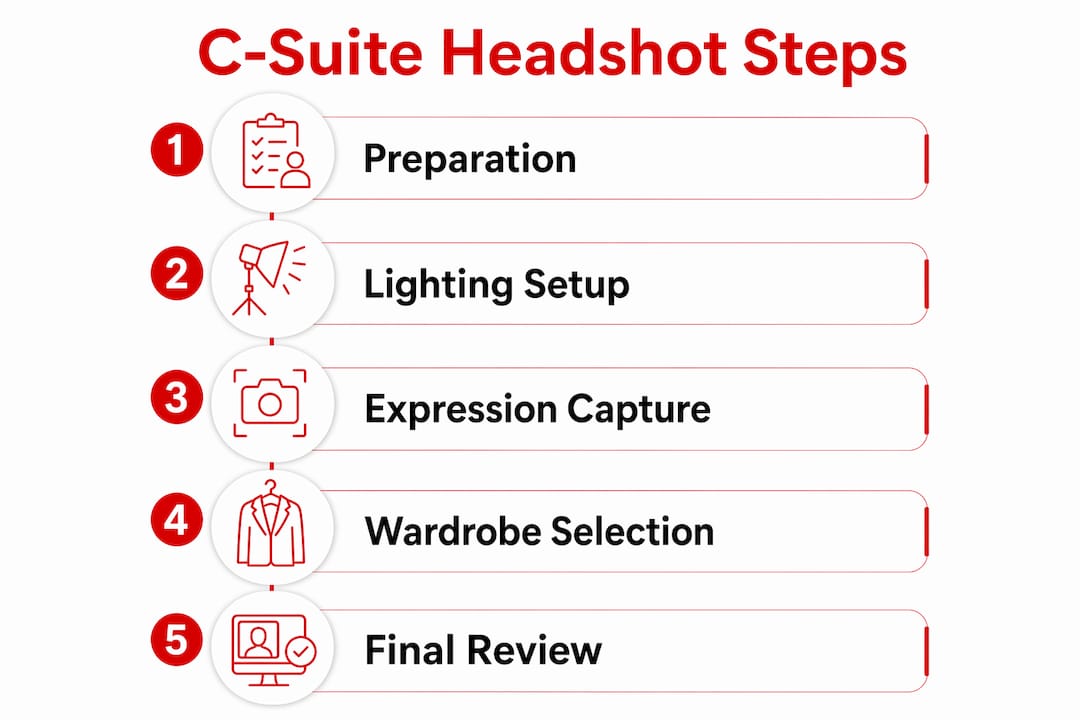
The difference between an effective executive portrait and a forgettable one comes down to five technical and expressive elements working together. Lighting, background, wardrobe, posture, and facial expression each carry weight. When any one of them is off, the entire image loses credibility.
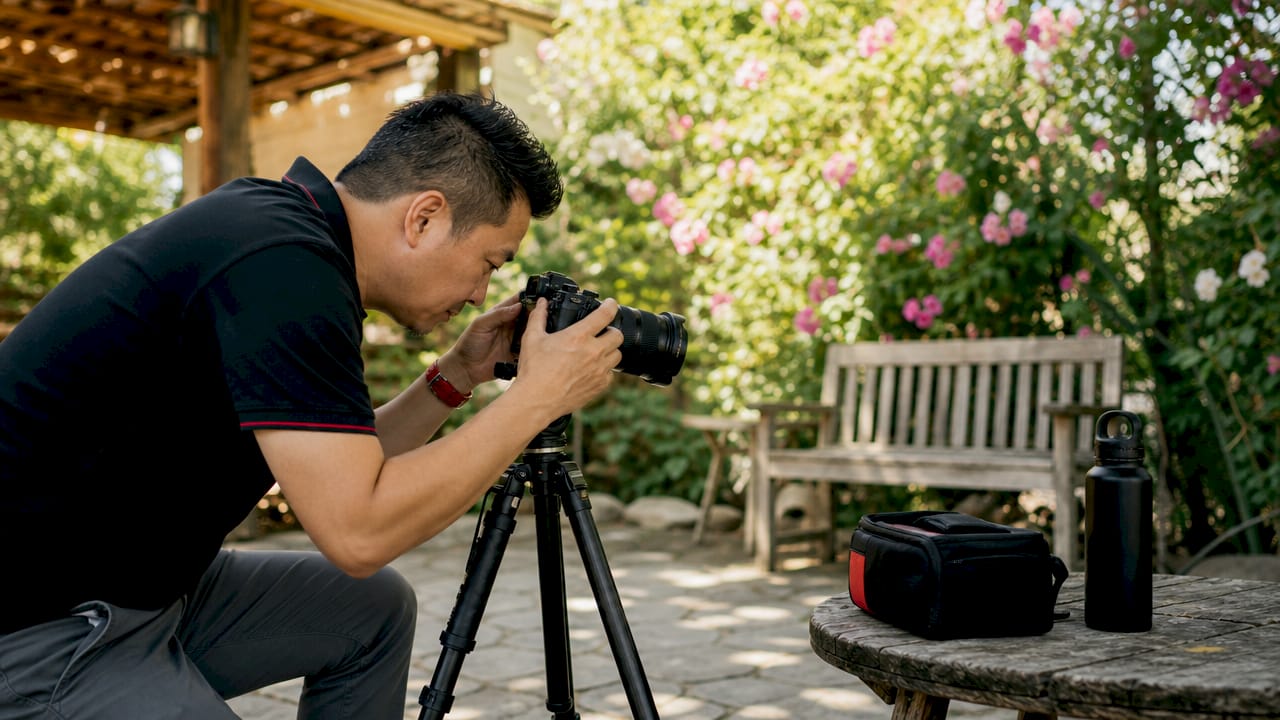
Expression and micro-expressions
Tiny muscle movements in the face determine whether a viewer perceives warmth or cold authority. A skilled photographer coaches these micro-expressions rather than simply pressing the shutter. The goal is a genuine expression that reads as confident and approachable at the same time. Stiff, posed smiles signal discomfort. A relaxed jaw, soft eyes, and a slight forward lean communicate engagement.
Visual elements that signal executive presence
Posture, lighting, wardrobe, and background are the four pillars of visual authority in executive portraiture. Each choice either reinforces or undermines the leader’s message.
- Lighting: Soft, directional light reduces harsh shadows and keeps the focus on the face. Flat or overhead lighting flattens features and reads as amateur.
- Background: Clean, neutral backgrounds, whether solid gray or a softly blurred office environment, keep attention on the executive. Cluttered or distracting backgrounds pull focus.
- Wardrobe: Dark neutral suits and solid colors photograph cleanly. Busy patterns compete with the face for attention.
- Posture: A slight angle to the camera, shoulders back, and a forward lean toward the lens all project confidence without rigidity.
Pro Tip: Ask your photographer to take a test frame at the start of the session and review it together. Catching a wardrobe or lighting issue in the first five minutes saves the entire shoot.
The authenticity problem with over-editing
Authenticity in executive headshots has become a genuine competitive advantage as AI-generated and heavily retouched images flood professional platforms. Images must present believable confidence rather than flawless perfection. Over-smoothed skin, artificially brightened eyes, and warped proportions all trigger subconscious distrust. Light, professional retouching that removes temporary blemishes while preserving natural texture is the standard for C-suite portraiture.
How do executive headshots support personal branding and corporate reputation?
A professional portrait does more than represent an individual. It shapes how the entire organization is perceived. When a CEO’s headshot looks polished and current, it signals that the company operates with the same level of care. When it looks outdated or low quality, the opposite message lands.
Executive headshots appear across multiple contexts, and each context carries different expectations:
- LinkedIn profiles: The primary digital introduction for most professional relationships. A strong headshot here directly affects connection acceptance rates and message response rates.
- Company websites: Leadership pages set the tone for the entire brand. Inconsistent or mismatched headshots across a leadership team signal internal disorganization.
- Investor materials and pitch decks: Investors evaluate people as much as they evaluate ideas. A polished portrait in a pitch deck reinforces the executive’s credibility.
- Media and press features: Publications crop and resize images. A high-resolution portrait with clean framing gives editors flexibility and ensures the executive looks authoritative in print and digital placements.
- Conference programs and speaker bios: Conference profile headshots require specific framing and resolution standards that differ from social media crops.
“Your headshot is the first thing a journalist, investor, or potential partner sees before they read a single word about you. It either opens the door or closes it before the conversation begins.”
Fragmented images across platforms weaken overall corporate brand trust and professionalism. An executive who looks polished on LinkedIn but uses a casual photo on the company website creates visual drift. That inconsistency, even when subtle, erodes the perception of a unified leadership team. Brand alignment across every platform is not optional for C-suite leaders. It is the baseline expectation.
When and how should executives update their headshots?
Executives should update their headshots every two years or after any significant role change, rebrand, or shift in market positioning. Regular updates keep images current and aligned with how the executive actually looks and leads today. An outdated photo creates a jarring disconnect when someone meets the executive in person or on a video call.
The most efficient approach to executive portrait photography is the asset library model. Rather than scheduling a single-use shoot for one platform, plan a session that produces images for every context.
- Plan for multiple outfits. Two or three wardrobe changes during one session produce images suited for formal investor materials, approachable LinkedIn content, and casual thought-leadership articles.
- Vary the background. A clean studio background, a branded office environment, and an outdoor or architectural setting each serve different use cases.
- Capture different expressions. A direct, authoritative expression works for press features. A warmer, more open expression suits website bios and speaking profiles.
- Coordinate with corporate brand guidelines. Coordinating headshot style with the company’s visual identity system reinforces consistency and makes the leadership team appear unified.
- Build a reusable image library. A well-planned professional photography session can produce 50–100 usable images across different environments and outfits. That library supports content needs for months or years without requiring another full shoot.
Pro Tip: Schedule your headshot session within 60 days of a title change or company rebrand. Waiting longer means your old image circulates during the exact window when your new positioning matters most.
The business portrait investment in a comprehensive session pays dividends across every platform where the executive appears. Treating it as a one-time expense rather than an ongoing brand asset is the most common mistake C-suite leaders make.
How do you choose a photographer for executive portrait work?
Not every professional photographer understands the specific demands of C-suite portraiture. The technical skills required for wedding photography or product photography differ significantly from what executive portrait work requires. Choosing the wrong photographer produces images that look competent but fail to communicate leadership.
Look for these qualities when evaluating photographers for executive headshot work:
- Experience with executive and corporate clients. Ask to see a portfolio that includes CEOs, board members, and senior leaders, not just general business headshots.
- Ability to coach expression and posture. A photographer who only directs technically, without coaching the subject’s energy and expression, produces stiff results. Ask how they work with executives who are uncomfortable in front of the camera.
- Understanding of multi-format delivery. The photographer should know the difference between corporate and business headshots and deliver files optimized for LinkedIn, print, and web simultaneously.
- A clear process for brand alignment. Before the session, the photographer should ask about your company’s visual identity, your role, and the impression you want to create. A photographer who skips this conversation produces generic results.
- Commercial understanding. The best executive portrait photographers think like brand strategists. They understand that executive presence starts with the headshot and work backward from that goal to every technical decision they make.
Grooming also plays a measurable role in how executive portraits land. Your haircut directly affects first impressions, and a fresh cut or style appointment within a week of your session is one of the simplest ways to improve your results.
Key Takeaways
A C-suite executive’s professional portrait is a brand asset that requires the same strategic planning as any other leadership communication tool.
| Point | Details |
|---|---|
| First impressions are visual | Executives are judged on online imagery before any direct interaction occurs. |
| Authenticity outperforms perfection | Light retouching that preserves natural features builds more trust than flawless editing. |
| One image is never enough | Plan sessions to produce a library of 50–100 images across outfits, backgrounds, and expressions. |
| Update every two years | Refresh headshots after role changes or rebrands to avoid visual drift across platforms. |
| Choose a photographer who coaches | Executive portraiture requires expression coaching and brand alignment, not just technical skill. |
Why I think most executives underestimate their headshot
I’m Traci Schowmeyer, and after years of working with corporate leaders on their professional imagery, the pattern I see most often surprises people. The executives who resist investing in quality headshots are usually the same ones who spend significant time and money on every other aspect of their personal brand. They refine their pitch decks, work with communications coaches, and hire PR firms. Then they use a photo taken at a company event three years ago as their LinkedIn profile image.
The misconception is that a headshot is vanity. It is not. It is the first piece of evidence a journalist, investor, or potential partner uses to form a judgment about your leadership. Executives who use outdated or poor-quality photos unknowingly signal uncertainty and lack of polish rather than strength. That signal travels faster than any press release.
What I have found actually works is treating the headshot session as a brand strategy meeting with a camera in the room. When executives come in with clarity about their role, their audience, and the emotion they want to convey, the results are dramatically better. The secret sauce of professional branding is not a perfect background or a designer suit. It is intentionality. The executives who get that right walk away with images that work for them for years.
— Traci Schowmeyer
Metroplex Headshots: executive portrait sessions built for C-suite leaders
Metroplex Headshots specializes in professional portrait photography for corporate executives and business leaders who need images that work as hard as they do. Every session is planned around your role, your brand, and the specific platforms where your image will appear.
Whether you need a single polished portrait or a full executive headshot session that produces a complete image library, Metroplex Headshots builds the process around your positioning. Sessions are available nationally through national headshot services, so location is never a barrier to getting the quality your leadership demands. Schedule a consultation to align your photography with the brand you have built.
FAQ
What is a C-suite headshot?
A C-suite headshot is a professionally produced portrait designed to communicate executive authority, approachability, and brand alignment. It differs from a standard business headshot in its strategic intent and the level of coaching and planning involved.
How often should executives update their headshots?
Executives should update their headshots every two years or after a significant role change, rebrand, or shift in market positioning. Outdated images create a disconnect between how the executive looks today and how they are represented online.
What should an executive wear for a headshot session?
Dark neutral suits and solid colors photograph most cleanly and keep visual attention on the face. Busy patterns and bright colors compete with the subject and distract from the expression.
Why does authenticity matter more than a perfect image?
Heavily retouched or AI-generated images trigger subconscious distrust because they look unreal. A believable, naturally confident portrait builds more credibility than a flawless but artificial one.
How many images should come from one executive headshot session?
A well-planned session across multiple outfits and backgrounds can produce 50–100 usable images. That library supports content needs across LinkedIn, press features, investor materials, and company websites without requiring repeated shoots.

