


An executive headshot preparation checklist is a structured sequence of timed actions that professionals follow to arrive at their session polished, confident, and ready to produce a lasting brand image. Your headshot is the digital handshake that precedes every meeting, proposal, and LinkedIn connection. A strong portrait communicates executive presence before you say a word. Metroplex Headshots works with professionals who understand that preparation is the secret sauce of professional branding. The steps below cover grooming, wardrobe, logistics, and mindset so nothing is left to chance on session day.
1. What should your executive headshot preparation checklist include?
The most effective executive portrait session preparation starts weeks before you step in front of a camera. Professionals who treat the session as a spontaneous event consistently produce photos that require heavy retouching or feel misaligned with their brand. A complete checklist covers four areas: grooming timing, wardrobe selection, session day logistics, and mindset preparation. Each area has a specific window for action, and skipping any one of them shows up in the final image.
The checklist is not just about looking good. It is about reducing variables so your photographer can focus on capturing your best expression rather than managing avoidable problems. Think of it as pre-production for your personal brand.
2. Grooming steps that set the foundation
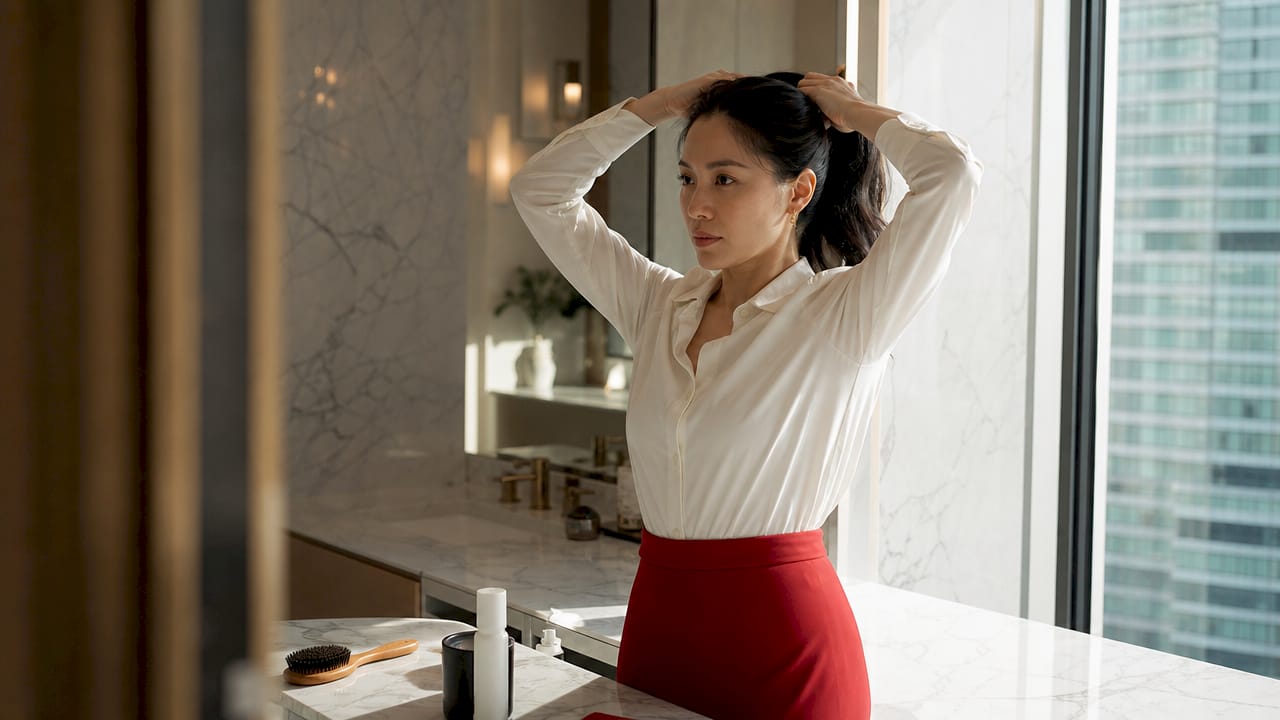
Grooming is the most time-sensitive part of any executive photo checklist. Get the timing wrong and even the best photographer cannot fully compensate.
- Hair: Schedule your haircut 7–10 days before your session. A fresh cut looks rigid and unnatural on camera. Seven to ten days gives the hair time to settle into its natural shape, which reads far better under studio lighting.
- Skin: Hydrate well in the 48 hours before your shoot and moisturize the night prior. Well-hydrated skin catches light evenly and reduces the appearance of fine lines in photos.
- Makeup: Apply more than your daily look but less than an evening look. Avoid shiny or dewy finishes entirely. Studio lighting amplifies shine into hot spots that flatten facial features and require significant post-production correction.
- Glasses: Clean lenses the morning of the session. If your frames lack an anti-reflective coating, discuss options with your photographer in advance. Glare on lenses is one of the most common and avoidable retouching requests.
- Session day extras: Bring lip balm and a bottle of water. Dry lips and a parched throat affect your expression more than most professionals expect.
Pro Tip: Avoid any new skincare products in the week before your session. Reactions, redness, or breakouts from unfamiliar products are far harder to address on session day than they are to prevent.
3. How to select and prepare your wardrobe
Wardrobe is the single most controllable variable in executive portrait session preparation, and it is also the most commonly underprepared. The goal is clothing that communicates authority without competing with your face for attention.
- Color: Choose solid colors in mid-tones. Navy, charcoal, burgundy, and forest green all photograph well. Avoid pure white, which blows out under studio lights, and pure black, which can flatten the frame.
- Formality level: Dress one level above your daily work attire. If you wear business casual daily, wear business professional for the session. The camera reads formality as credibility.
- Patterns and logos: Avoid bold patterns, stripes, and visible logos entirely. These elements draw the viewer’s eye away from your face, which is the focal point of every strong headshot.
- Jewelry: Keep it minimal. Heavy or statement jewelry distracts from facial features and can create unwanted reflections under studio lighting.
- Quantity: Bring two outfits that differ meaningfully in color or formality. This gives your photographer flexibility and gives you options during the selection process.
Wrinkles, lint, and loose threads are the top retouching issues photographers encounter after sessions. Correcting them in post-production takes significantly more time than steaming clothing beforehand. Steam or iron every garment the morning of your session and use a lint roller before you leave home.
Pro Tip: Try on every outfit option at least two days before the session. Confirm fit, comfort, and how each piece moves when you sit or shift posture. Discomfort on session day reads directly in your expression.
For deeper guidance on wardrobe and brand alignment, review the full wardrobe guide before finalizing your choices.
4. Session day logistics and mindset preparation
How executives prepare for photo sessions in the final hours before the shoot determines whether the session runs smoothly or burns time on avoidable problems.
- Arrive early. Arriving 10 minutes early gives you time to acclimate to the studio environment, settle your nerves, and review session flow with your photographer before the first frame is shot.
- Silence your phone. Notifications during lighting adjustments interrupt the photographer’s concentration and break your own focus. Put it on silent before you walk in.
- Confirm retouch preferences. Tell your photographer upfront what level of retouching you want. Some executives prefer minimal correction; others want a fully polished result. Clarity here saves rounds of revision later.
- Manage physical comfort. Drink water before and during the session. Use lip balm as needed. Physical discomfort creates subtle tension in the face that the camera picks up immediately.
- Adopt a confident, relaxed posture. Stand or sit the way you would in a meeting where you feel completely at ease. Forced poses look forced in photos.
- Communicate with your photographer. If a pose or expression does not feel right, say so. The best results come from an open dialogue, not silent compliance.
Pro Tip: Practice your expressions and posture in a mirror two or three days before the session. You are not rehearsing a performance. You are building self-awareness so nothing feels unfamiliar when the camera is in front of you.
For guidance on confident posing and expression, review the executive expression guide before your session.
5. How long does an executive headshot session last?
Setting accurate time expectations is part of any solid executive photo checklist. Professionals who underestimate session length rush their choices and produce weaker results.
Standard solo sessions run 20–60 minutes, including setup and any outfit changes. Complex editorial sessions or multi-outfit shoots extend to 1–3 hours. The range depends on the number of looks, the complexity of lighting setups, and how prepared the subject arrives.
| Session Type | Typical Duration | Key Variables |
|---|---|---|
| Solo executive headshot | 20–60 minutes | One to two outfits, standard lighting |
| Department group session | 1–2 hours | Multiple subjects, consistent backdrop |
| Editorial or multi-look session | 1–3 hours | Multiple outfits, varied lighting setups |
Your headshot will typically remain in active use for 3–5 years before requiring an update. That lifespan makes the session a long-term brand investment, not a one-time task. Budget your preparation time accordingly. An hour of preparation before the session protects years of brand consistency.
For a broader look at how business portrait photography works from the photographer’s perspective, the Photivo guide offers a thorough breakdown of session structure and delivery.
Key takeaways
A complete executive headshot preparation checklist, covering grooming timing, wardrobe selection, session logistics, and mindset, is the most direct path to a polished, brand-aligned portrait that requires minimal retouching.
| Point | Details |
|---|---|
| Time your haircut correctly | Schedule a cut 7–10 days before the session so hair settles naturally on camera. |
| Steam clothing beforehand | Wrinkles and lint are the top retouching request; steaming the morning of the session prevents them. |
| Bring two outfit options | Meaningful differences in color or formality give your photographer flexibility and you better choices. |
| Arrive early and silence your phone | Ten minutes of acclimation and zero interruptions protect session focus and lighting quality. |
| Plan for a 3–5 year lifespan | Your headshot will represent you for years; preparation time is a long-term brand investment. |
What I have learned from watching executives walk into sessions unprepared
I’m Traci Schowmeyer, and after working with executives across industries, the pattern I see most often is this: professionals who are meticulous in every other area of their work treat the headshot session as something they can wing. They show up with a wrinkled shirt, a haircut from the day before, and no clear idea of what expression they want to project. The photos reflect exactly that.
The executives who produce the strongest portraits are the ones who treat preparation as part of the work itself. They confirm wardrobe days in advance. They practice their posture. They arrive knowing what they want the image to communicate. That clarity translates directly into confidence on camera, and confidence is what makes a headshot worth using for five years instead of one.
The most overlooked step, in my experience, is the mirror practice. Professionals resist it because it feels awkward. But self-awareness about your own expressions and angles is the difference between a portrait that captures your authority and one that captures your discomfort. Do it anyway. Two sessions in front of a mirror before the shoot will save you from three rounds of retouching after it.
A professional headshot is a long-term brand investment. Treat the preparation with the same seriousness you bring to any other investment in your business.
— Traci Schowmeyer
How Metroplex Headshots supports your session preparation
Metroplex Headshots works with executives who want a portrait that reflects their authority, their brand, and their personality without looking like a stock photo. The preparation process starts before you arrive at the studio.
Every session includes personalized guidance on wardrobe, grooming timing, and session flow so you walk in knowing exactly what to expect. The studio environment is designed to reduce session-day stress, and retouching is calibrated to produce polished results that still look like you. For a complete breakdown of what to bring, what to wear, and how to prepare, the headshot session prep guide covers every step from weeks out to the morning of your shoot. When you are ready to book, the national headshots page outlines service options and availability.
FAQ
How far in advance should I schedule my haircut?
Schedule your haircut 7–10 days before the session. This window allows the cut to settle naturally, which reads better on camera than a fresh cut.
What is the most common wardrobe mistake executives make?
Arriving with wrinkled or lint-covered clothing is the top issue requiring post-session retouching. Steam or iron every garment the morning of the session and use a lint roller before you leave.
How long does a standard executive headshot session last?
Standard solo sessions run 20–60 minutes. Multi-outfit or editorial sessions extend to 1–3 hours depending on the number of looks and lighting setups.
How often should executives update their headshots?
Professional headshots remain in active use for 3–5 years before requiring an update. Significant changes in appearance, role, or brand positioning are the most common triggers for a re-shoot.
What should I bring to my executive headshot session?
Bring two outfits that differ in color or formality, lip balm, a bottle of water, and any glasses you wear regularly. Confirm retouch preferences and session flow with your photographer before the shoot begins.

