


What are the most common mistakes found in acting headshots, regardless of location?
When we evaluate headshots, whether from Southlake or anywhere else, certain common mistakes consistently undermine an actor’s potential. These aren’t just minor flaws; they are often career roadblocks. Understanding them is the first step to avoiding them.
Here are some of the most prevalent issues we see:
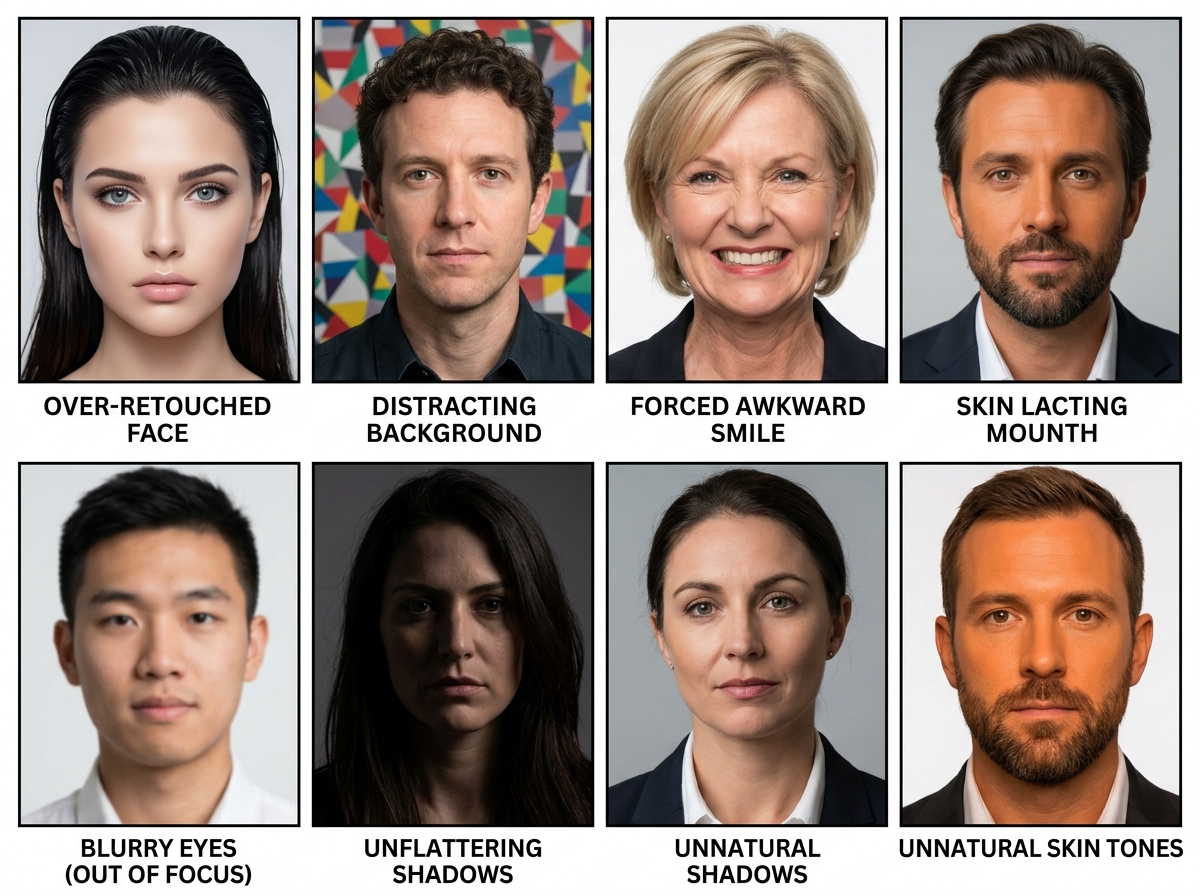
- Over-retouching: While some light retouching can enhance an image, excessive airbrushing makes an actor look artificial and unlike their real self. Casting directors want to see you, not a smoothed-out, plastic version.
- Poor lighting: This is a huge one. Harsh shadows can obscure features, flat lighting makes an actor look dull, and distracting highlights can draw attention away from the eyes. Good lighting sculpts the face and creates depth.
- Inappropriate wardrobe: Clothing that is too busy, the wrong color for the background or skin tone, or ill-fitting can be a major distraction. Your clothes should complement you, not compete with you.
- Distracting backgrounds: A cluttered, overly vibrant, or improperly focused background pulls the viewer’s eye away from the actor. The background should be simple and supportive, allowing you to be the sole focus.
- Lack of authentic expression: A forced smile, dead eyes, or a blank stare tells casting directors very little about your personality or emotional range. We aim for genuine emotion and connection.
- Incorrect framing or cropping: Headshots that are too wide, too tight, or cut off important features can be disorienting. Proper framing ensures your face and personality are presented effectively.
- Outdated appearance: Using an old photo that doesn’t reflect your current hairstyle, weight, or age is a common pitfall. Casting directors need to see the person who will walk into the audition room today.
- Unprofessional posing: Stiff, awkward, or unnatural poses make an actor look uncomfortable and can convey the wrong impression.
- Not reflecting current type or age: Your headshot should clearly communicate your casting type and current age range. If it doesn’t, you’ll be called in for roles you’re not right for, or worse, not called in at all.
For a deeper dive into these pitfalls, explore our insights on common headshot mistakes and learn why your headshot might be failing you.
How do lighting and expression impact a headshot’s effectiveness?
Lighting and expression are arguably the two most critical elements of a compelling acting headshot. They work hand-in-hand to convey your personality and potential to casting directors.
Lighting: Think of the difference between flat, even lighting that washes out features versus sculpted lighting that defines your bone structure and adds depth to your eyes. Good lighting can highlight your best features, create mood, and ensure your eyes sparkle. Bad lighting, conversely, can make you look tired, older, or simply uninteresting. It can create unflattering shadows or make your skin tone appear unnatural.
Expression: This is where your personality truly shines – or fails to. A genuine emotion, whether it’s a confident smile, an intriguing smirk, or a thoughtful gaze, draws the viewer in. We strive for that “spark in the eye” – an authentic connection that suggests intelligence, warmth, and a range of emotions. A forced or fake smile, on the other hand, can make you seem insincere or uncomfortable, which is the last impression you want to make. As the North Texas Performing Arts (NTPA) in Southlake often highlights with their “Bad Auditions by Bad Actors” events, authenticity is key, and a bad expression in a headshot can set the stage for a “bad audition” before you even open your mouth. You can learn more about the importance of genuine performance, even in still images, by observing events like Bad Auditions by Bad Actors – NTPA Southlake.
How can clients identify poor-quality headshots when evaluating Southlake studios?
Identifying poor-quality headshots isn’t about naming specific studios but about developing a critical eye for what makes a headshot effective. When you’re evaluating photographers in Southlake or the wider DFW Metroplex, we encourage you to look beyond superficial appearances and dig deeper into the quality of their work.
Here’s how we advise our clients to critically assess portfolios:
- Review portfolios critically: Don’t just glance. Look for consistency in quality across their entire portfolio. Do all the subjects look genuinely engaged, or do they seem posed and uncomfortable? Is there variety in expressions and moods, or do all the headshots look the same? Pay close attention to the authenticity of the individuals portrayed.
- Ask for unretouched samples: A truly skilled photographer can capture a great image in-camera, minimizing the need for heavy post-production. If a photographer is reluctant to show you unretouched samples, it might be a red flag that they rely too heavily on editing to “fix” issues that should have been addressed during the shoot.
- Check testimonials and reviews: Look for specific feedback regarding headshot quality, the photographer’s ability to direct, and the authenticity of the final images. Generic “great experience” reviews are less helpful than those detailing the process and outcome.
- Understand the photographer’s specialization: Does the studio primarily shoot actors, or are they generalists who do weddings, babies, and corporate events? While some generalist photographers are talented, those specializing in acting headshots often have a deeper understanding of industry requirements and how to elicit authentic performances.
- Compare different photographers’ work side-by-side: Lay out samples from several photographers you’re considering. This direct comparison can quickly highlight differences in lighting, expression, and overall professionalism.
- Look for red flags in sample galleries: Inconsistent quality, poor resolution, subjects all looking identical (suggesting a lack of individual direction), or outdated styles are all warning signs.
For more detailed guidance on what to look for, we’ve put together resources on spotting the difference between good and bad headshots.
What visual cues indicate a headshot is unprofessional?
Beyond the broader evaluation, certain visual cues scream “unprofessional” to a casting director. When reviewing a photographer’s work, keep an eye out for these tell-tale signs:
- Blurry focus: The eyes should always be sharp and in focus. If any part of the face, especially the eyes, is blurry, the headshot is a failure.
- Unnatural skin tones: Skin that looks too orange, too grey, or overly pale indicates poor lighting, incorrect white balance, or heavy-handed editing.
- Overly dramatic filters: While creative filters have their place in art photography, they rarely belong in a professional acting headshot. They can obscure your natural look and make the image look dated quickly.
- Busy patterns in clothing or background: As mentioned, anything that distracts from your face is a problem. This includes loud patterns in your outfit or a background that’s too distracting.
- Shadows obscuring eyes: The eyes are the windows to the soul, and they must be clearly visible. Shadows covering the eyes diminish their impact and make you seem less approachable.
- Lack of connection with the camera: A good headshot creates an immediate connection with the viewer. If the subject’s gaze is averted, or their expression is flat, that connection is lost.
Why do these common headshot mistakes occur in some studios, and what shortcuts might they take?
The prevalence of bad headshots, even in areas like Southlake, often stems from a combination of factors related to the photographer’s expertise, equipment, and approach. We’ve observed that these mistakes typically aren’t malicious but rather indicative of shortcuts or a lack of specialized knowledge.
Here’s why these common headshot mistakes occur:
- Lack of specialized training in acting headshots: Many photographers are generalists. While they might be excellent at family portraits or event photography, they may not understand the specific nuances and requirements of an acting headshot, which is a very particular genre.
- Using outdated equipment or techniques: Photography technology evolves. Studios that don’t invest in modern equipment or stay updated on current lighting and posing techniques can produce subpar results.
- Prioritizing quantity over quality (rushing sessions): Some studios operate on a high-volume model, rushing clients through sessions to maximize bookings. This leaves little time for proper direction, multiple takes to capture authentic expressions, or careful lighting adjustments.
- Insufficient understanding of casting director needs: A photographer who doesn’t understand what casting directors are looking for (e.g., authenticity, type, range) can’t guide an actor to produce an effective headshot.
- Generic approach to all clients: Every actor is unique. A “one-size-fits-all” approach that doesn’t tailor the session to the actor’s specific type, personality, and career goals will likely result in a generic, unmemorable headshot.
- Over-reliance on heavy post-processing to fix initial flaws: Instead of getting it right in-camera, some photographers rely on extensive editing to correct poor lighting, skin imperfections, or awkward expressions. This often leads to an unnatural, over-retouched look.
- Limited experience directing actors for authentic expressions: Capturing genuine emotion is a skill. Photographers who lack experience in directing actors may struggle to make clients feel comfortable and elicit those crucial authentic expressions.
- Cutting corners on lighting setups or background choices: Professional lighting equipment and a variety of suitable backgrounds can be costly. Some studios might compromise on these elements to save money, leading to inferior image quality.
For more insights into avoiding these pitfalls, check out our guide on what to look for to avoid a bad headshot.
What are the consequences of a photographer taking shortcuts?
The consequences of a photographer taking shortcuts are far-reaching and can significantly impact an actor’s career:
- Wasted time and money for the actor: A bad headshot means the actor has spent their valuable resources on something that won’t serve their purpose, requiring them to invest again.
- Headshots that don’t get noticed: In a competitive industry, a mediocre headshot simply won’t stand out. It will be overlooked in favor of more professional, compelling images.
- Damage to an actor’s professional image: A poor-quality headshot can make an actor appear unprofessional or unprepared, signaling to casting directors that they might not take their career seriously.
- Missed audition opportunities: This is perhaps the most critical consequence. If your headshot doesn’t grab attention and accurately represent you, you won’t even get the chance to audition, regardless of your talent.
How much more effective are good headshots compared to bad ones in booking auditions?
The difference between a good headshot and a bad one isn’t just aesthetic; it’s a difference in opportunity. In the competitive world of acting, your headshot is your first, and often only, chance to make an impression. We understand that casting directors are busy, and they spend mere seconds on each submission.
- First impressions are critical: A good headshot instantly conveys professionalism, personality, and your casting type. It tells a story about who you are as an actor before you even step into the room. A bad headshot, conversely, can lead to immediate dismissal.
- A good headshot conveys professionalism, personality, and type instantly: It’s a visual resume that communicates your brand. It should make a casting director pause, intrigued enough to learn more about you.
- Bad headshots can lead to immediate rejection, regardless of talent: You could be the most talented actor in Southlake, but if your headshot doesn’t open the door, your talent will never be seen. A headshot that is blurry, outdated, or poorly lit sends a message of carelessness.
- Good headshots open doors, bad ones close them: It’s as simple as that. An effective headshot gets you into the audition room; a poor one keeps you out.
- The psychological impact of a confident, authentic image: When you have a headshot that truly represents you at your best, it boosts your confidence. This self-assurance can translate into better auditions and a more positive professional outlook.
Casting directors are looking for very specific qualities in a headshot. Here’s a list of what they prioritize:
- Authenticity: It must look exactly like you do today.
- Clear Eyes: Your eyes should be sharp, expressive, and draw the viewer in.
- Genuine Expression: A real smile or a thoughtful gaze, not a forced pose.
- Good Lighting: Even, flattering light that highlights your features.
- Appropriate Framing: Typically a tight shot from the chest up, focusing on your face.
- Simple Background: Uncluttered and non-distracting.
- Reflects Your Type: Clearly communicates the kind of roles you can play.
- Professional Quality: High resolution, well-composed, and expertly retouched (minimally).
What do casting directors say about headshots from local studios?
While casting directors don’t typically publicly critique specific local studios in Southlake or elsewhere, their universal advice regarding headshots applies everywhere. We consistently hear the same messages:
- Emphasis on authenticity and current look: They want to see the real you, not an idealized or outdated version. They often express frustration with headshots that don’t match the actor who walks into the room.
- Dislike for overly retouched or “glamour” shots: Headshots are not beauty shots for a magazine. They are professional tools. Excessive airbrushing, heavy makeup, or overly stylized looks are generally frowned upon because they obscure the actor’s true appearance.
- Preference for clear eyes and genuine expression: The eyes are paramount. They need to be alive, engaged, and convey emotion. A genuine smile or a thoughtful, confident expression is far more effective than a generic, posed one.
- The importance of a headshot that matches the actor walking into the room: This is a non-negotiable. If your headshot is significantly different from your current appearance, you’ve wasted everyone’s time, including your own.
Therefore, while specific Southlake studio feedback isn’t publicly available, the general casting director advice applies universally: invest in a headshot that is authentic, professional, and truly represents who you are as an actor today.
What step-by-step advice can clients follow to avoid choosing a bad Southlake studio?
Navigating the photography landscape in Southlake and the surrounding DFW areas can feel overwhelming, but with a strategic approach, you can confidently choose a studio that will deliver excellent results. We guide our clients through a process designed to minimize risk and maximize the chances of getting a headshot that truly serves their career.
Here’s our step-by-step advice:
- Define your acting type and desired roles first: Before you even look for a photographer, understand your brand. What roles are you typically cast in? What is your unique selling proposition as an actor? Your headshot needs to communicate this clearly.
- Research photographers specializing in acting headshots (not just general portraits): As we’ve discussed, specialization matters. Look for photographers whose portfolios are dominated by acting headshots, indicating their expertise in this specific niche. Expand your search beyond just Southlake to the wider DFW Metroplex if needed, as quality often outweighs proximity.
- Scrutinize portfolios for consistency and quality: Don’t just look at one or two good shots. Examine the entire body of work. Is the lighting consistent? Are the expressions authentic across different subjects? Do the images feel current and professional?
- Read reviews and ask for references: Look for reviews on multiple platforms (Google, Yelp, social media). Pay attention to comments about the photographer’s ability to make clients comfortable, direct them, and deliver high-quality, authentic images. If possible, ask for references from actors they’ve recently worked with.
- Schedule a consultation to discuss your needs and the photographer’s approach: This is a crucial step. A good photographer will be happy to chat with you, understand your goals, and explain their process. This consultation allows you to gauge their personality and see if you feel a connection.
- Ask about their process for directing actors and capturing expression: This is where the magic happens. How do they help clients relax? What techniques do they use to elicit genuine emotions? Their answer will tell you a lot about their skill in working with actors.
- Understand pricing and what’s included: Be clear on what you’re getting for your investment: number of looks, digital files, retouching philosophy, and turnaround time. Avoid studios with hidden fees or unclear packages.
- Trust your gut feeling during the consultation: You need to feel comfortable and confident with your photographer. If something feels off, it’s probably not the right fit. Your comfort directly impacts your ability to relax and give an authentic performance.
While this advice is tailored for acting headshots, many of the principles of identifying quality and avoiding pitfalls are universal, even applying to fields like real estate. For instance, our article on terrible real estate headshots and how to avoid them offers valuable insights that can be adapted for any professional headshot.
What questions should you ask a potential headshot photographer?
During your consultation, arm yourself with a list of targeted questions to ensure you’re making an informed decision. Here are some essential questions we recommend asking:
- “What is your experience with acting headshots specifically? Can you show me examples of actors you’ve helped get cast?”
- “How do you help actors relax and get authentic expressions during the shoot?”
- “Can I see unretouched samples from a recent acting headshot session?”
- “What is your retouching philosophy? How much editing do you typically do?”
- “What should I wear and bring to my session? Do you offer wardrobe guidance or have a stylist?”
- “What’s your typical turnaround time for delivering proofs and final retouched images?”
- “What’s included in your package (e.g., number of looks, digital files, print releases)?”
- “How do you ensure the headshot accurately reflects my current type and age?”
- “What happens if I’m not happy with my headshots?”
What are the top recommended alternatives for professional headshots, especially if Southlake options are limited?
If your search for a specialized acting headshot photographer in Southlake feels limited, we strongly recommend expanding your horizons to the wider DFW Metroplex. The Dallas-Fort Worth area is a vibrant hub with many talented photographers, and prioritizing specialization over strict proximity will yield far better results for your acting career.
- Expanding your search to the wider DFW Metroplex: Don’t restrict yourself to just Southlake city limits. Areas like Dallas, Plano, Frisco, Fort Worth, and even communities like Colleyville, Grapevine, and McKinney offer a broader selection of professional photographers, many of whom specialize in acting headshots.
- Prioritizing specialization over proximity: A photographer who truly understands the nuances of acting headshots, even if they’re a 30-minute drive away, will provide a far more effective image than a local generalist who lacks that specific expertise. Your headshot is an investment, and a short drive is worth it for a career-changing image.
- Considering photographers known for working with actors: Seek out photographers whose reputation is built on their work with performers. They will understand the specific needs of the industry and how to capture the range and authenticity required.
At Metroplex Headshots, we offer specialized, professional headshots designed to make clients comfortable and capture confident, natural-looking images. We focus exclusively on headshots, understanding the unique demands of both executive and acting headshots across the DFW area, including Southlake, Westlake, Trophy Club, Grapevine, Dallas, Plano, Frisco, Colleyville, Hurst, Bedford, Fort Worth, Lewisville, Coppell, Irving, McKinney, and Roanoke. Our approach ensures that your headshot is not just a picture, but a powerful tool for your career.

Why choose a specialized headshot photographer like Metroplex Headshots?
Choosing a specialized headshot photographer like us offers distinct advantages that directly translate into a more effective and career-boosting headshot:
- Expertise in directing for authentic expression: We know how to make you feel at ease, guide your posing, and elicit genuine expressions that showcase your personality and range. Our focus is on capturing the real you, not a stiff, posed version.
- Understanding of casting director requirements: We stay current with industry trends and understand exactly what casting directors are looking for. This knowledge informs every aspect of our shoot, from lighting to wardrobe advice.
- Professional lighting and equipment: We invest in top-tier lighting and camera equipment to ensure every shot is technically excellent, with flattering light and sharp focus where it matters most – your eyes.
- Focus on client comfort and confidence: We believe a comfortable client is a confident client. Our sessions are designed to be relaxed and enjoyable, allowing your true personality to shine through.
- Quick delivery of high-quality, natural images: We understand the fast pace of the industry. We work efficiently to provide you with high-quality, natural images, often with same-day selection, so you can start submitting them quickly.
We invite you to learn more about our process by visiting our Ask a Photographer page, exploring our Packages, or understanding our reach with National Headshots and Franchise opportunities.
Frequently Asked Questions about Acting Headshots
We often hear similar questions from actors in Southlake and across the Metroplex as they prepare for their headshot sessions. Here are some of the most common ones we address:
Can I use a selfie as an acting headshot?
Absolutely not. Using a selfie as an acting headshot is a critical mistake that will immediately brand you as unprofessional. Selfies lack the necessary quality, lighting, and composition required for a professional headshot. Casting directors will dismiss it instantly, signaling a lack of seriousness about your career. It’s a guaranteed way to ensure your submission ends up in the “no” pile.
How often should I update my acting headshot?
We recommend updating your acting headshot every 1-2 years, or whenever your look significantly changes. This includes major changes in hairstyle, hair color, weight, or if you’ve noticeably aged. It’s essential that your headshot accurately reflects your current appearance. Casting directors need to know exactly who will walk into the audition room. An outdated headshot can lead to frustration and missed opportunities.
What’s the ideal background for an acting headshot?
The ideal background for an acting headshot is simple, uncluttered, and typically in neutral tones such as greys, blues, or greens. The key is that the background should be slightly out of focus (bokeh effect) to ensure that the focus remains entirely on you, the actor. A busy or distracting background will pull attention away from your face and expression, which is the opposite of what a headshot should achieve.
Conclusion
Choosing the right acting headshot photographer is a critical investment in your career, not just an expense. By understanding common mistakes and knowing how to critically evaluate a studio’s work, you can avoid the pitfalls that hinder many aspiring performers in Southlake and beyond. Focus on authenticity, professionalism, and selecting a photographer who truly understands the nuances of acting headshots.
A great headshot is your most powerful calling card, opening doors to auditions and opportunities that a subpar image simply cannot. Make an informed choice, prioritize specialization, and ensure your headshot helps you succeed in achieving your acting dreams.

